




Blog
Benefits of honey for the human body


Medaus nauda žmogaus organizmui žinoma jau tūkstančius metų. Net senovės Egipto piramidėse rastas medus iki šiol stebina mokslininkus ir tik dar kartą primena, kokią svarbią vietą šis bičių sukurtas produktas užėmė skirtingose pasaulio kultūrose. Ir turbūt ne be priežasties – žmonės medų vertino ne tik kaip saldumyną, bet ir kaip vieną vertingiausių gamtos dovanų sveikatai.
Šiandien medumi vis aktyviau domisi ir mokslininkai. Tyrimai atskleidžia vis daugiau įdomių faktų apie jo sudėtį, antioksidacines, priešuždegimines bei antimikrobines savybes. O kuo daugiau apie medų sužinome, tuo labiau suprantame, kad tai gerokai daugiau nei tiesiog saldus produktas prie arbatos.
Todėl šiame straipsnyje norime paprastai ir aiškiai pasidalinti tuo, ką apie medaus naudą žmogaus organizmui pavyko sužinoti tiek iš mokslinių tyrimų, tiek iš ilgametės bitininkystės patirties.
What is honey?

Honey's many benefits to the human body are multifaceted due to its rich composition.
Honey – tai bičių perdirbtas augalų nektaras. Nors sakoma, kad bitės medų neša, tačiau iš tiesų jos neša nektarą, kurį vėliau sumaišo su savo seilėmis ir supilsčiusios į korio akutes vėdina, tirština, brandina ir net fermentuoja. Taigi medus – tai bičių ir augalų bendras gražaus bendradarbiavimo pavyzdys. Augalai bites vilioja ir apdovanoja nektaru, kad šios juos apdulkintų ir jie galėtų plisti bei daugintis. Nuo to, iš kokių augalų renkamas nektaras ir priklauso kokia bus composition of honey. Most popular in Lithuania types of honey: linden, spring honey (oilseed rape, orchards), mouse via buckwheat honey.
Benefits of honey for the human body
As it is almost the only food bees eat, it naturally contains all the nutrients needed to sustain life, which is why honey has a wide range of health-giving properties.
Antioxidant effect
Antioxidants, in this case honey, fight the effects of free radicals. Free radicals are by-products of cellular processes that are able to penetrate and damage cells. They are also responsible for shortening the length of telomeres (our genetic material found in chromosomes). This process is one of the main drivers of ageing. So by inactivating free radicals, honey stops the ageing process and cell damage.
Antimicrobial effects
The greatest antimicrobial effect of honey has been observed due to the enzymatic oxidation of glucose, which has a disinfectant effect. Honey also contains hydrogen peroxide, which is a property that many of us have experienced in the treatment of our wounds. Honey helps to stop the growth of various fungi, viruses and bacteria by providing an extremely unfavourable environment (the pH of honey is acidic (~3.2 - 4.5), which micro-organisms do not like). The bactericidal effect has been observed in about 60 different bacterial species. Some of the most frequent: Bacillus anthracis, Corynebacterium diptheriae, Haemophilus influenzae, Klebsiella pneumoniae, Listeria monocytogenes, Mycobacterium tuberculosis, Pasteurella multicoda, Yersinia enterocolitica, Proteus species, Pseudomonas aeruginosa, Acinetobacter spp, Salmonella diarrhoeae, Sal. typhi, Serratia marcescens, Shigella dysentery, Staphylococcus aureus, Streptococcus faecalis, Strep. mutans, Strep. pneumoniae, Strep. pyogenes, Vibrio cholerae.
Apoptosis-promoting effects
Apoptosis is the self-destruction of a cell, which is very good for us. When this process is disturbed, any cells that were "born" with mistakes, are defective or obsolete cannot be destroyed. This is typical of tumours, especially malignant ones. Through a number of cellular regulatory mechanisms, honey promotes cell apoptosis, helping to restore the natural cell cycle in which death is inevitable, thus slowing down the formation of metastases and the rate of tumour growth. These findings were observed in a study of people with bowel cancer.
Anti-inflammatory immunomodulatory effect
A chronic inflammatory process tends to cause tissue damage. The phenolic compounds in honey inhibit the cascade of inflammatory processes and help to delay cell damage and heal existing wounds. This mechanism helps to alleviate and prevent many of the chronic diseases we have written about in another column.
Benefits of honey in various diseases
Honey helps wounds to heal thanks to its anti-inflammatory and antimicrobial properties. It has a positive effect on both external and internal wounds and on the entire digestive tract, including the pancreas. Cash and honey Not only do they not get angry, but they also make good friends, as honey can help diabetics reduce insulin resistance.
Honey also helps our nervous system to stay younger and calm down in the face of stress, thanks to its natural antidepressant properties. Several studies have noted that the polyphenols in honey have central nervous system-sparing and oxidative stress-protective properties. The same antioxidants also reduce the risk of other chronic diseases: cardiovascular, vascular and neurodegenerative diseases, among others.
For more on honey treatment, see our post: "Honey treatment. Folk medicine recipes".
What to do if you don't like honey?

Honey with berries - the same benefits of honey, but a much more varied taste.
Honey collected at different times of the year has a different, specific taste that not everyone likes. To ensure that everyone can enjoy honey's miraculous healing properties, we have developed a range of exclusive products - honey with freeze-dried berries ir vaisiais. Šis medus ne tik gardus! Tai vitaminų, mineralų, energijos ir skonių paletė Jūsų gyvenimui pasaldinti, o ieškantys dar patogesnių formų vis dažniau renkasi ir guminukus su medumi bei vaisiais.
Honey tastes/honey tea tikrai stebina tuo, kad specifinis medaus skonis sušvelnėja, o kai kur ir visai nejaučiamas, todėl juos labai mėgsta vaikai ir net suaugę. Tiesiog taip, vietoj deserto. Nors liofilizacijos procesas plačiau pradėtas taikyti dar praėjusiame šimtmetyje, jis išpopuliarėjo tik visai neseniai, prasidėjus sveikos gyvensenos bumui. Liofilizacijos metu produktai džiovinami itin žemoje temperatūroje, todėl išsaugo beveik visas vertingas medžiagas, o jų galiojimo laikas tampa beveik neribotas. Ir visa tai – be jokių konservantų. Medus su uogomis ne tik dar gardesnis, tačiau ir vertingesnis, nes jame suderintos medaus ir uogų bei vaisių gydomosios savybės, vitaminai ir kitos vertingos medžiagos. Ši naujovė – mūsų indėlis į Jūsų sveikatą.
From now on, everyone will love honey, from the little gourmands to the biggest gourmets. Now honey - with raspberries, ginger and lemon, piped, sea buckthorn, with cranberries, with fiddleheads, by weight, blackcurrants or even chocolate .And you, do you already have a favourite flavour? If not, go ahead and try it, because once you've tasted it, you can't stop New experiences and warm sweetness are guaranteed!
Maybe it's not for nothing that beekeepers are said to be quite healthy people. Who knows, they do get their fill of honey, just like other bee products - bee bread rolls, pollen or even bičių pikio (propolio), kuris nuo seno vertinamas dėl savo antibakterinių ir organizmą stiprinančių savybių. Visgi, nepaisant to, kaip gražiai viskas šiame įraše skambėtų, mes norime priminti, kad medus, pirmiausia, yra miastas. Kitaip nei įvairūs vaistai, jis neturi greito, lengvai išmatuojamo ir ženklaus poveikio. Tam, kad medaus nauda būtų juntama, būtinas sistemingas vartojimas ir sveikesnio gyvenimo būdo propagavimas, nes dar nėra vieno vaisto, kuris mus visus padarytų sveikais ir laimingais. Turime tuo pasirūpinti patys. Būkite sveiki!
Honey with berries and fruit - a new discovery of flavours
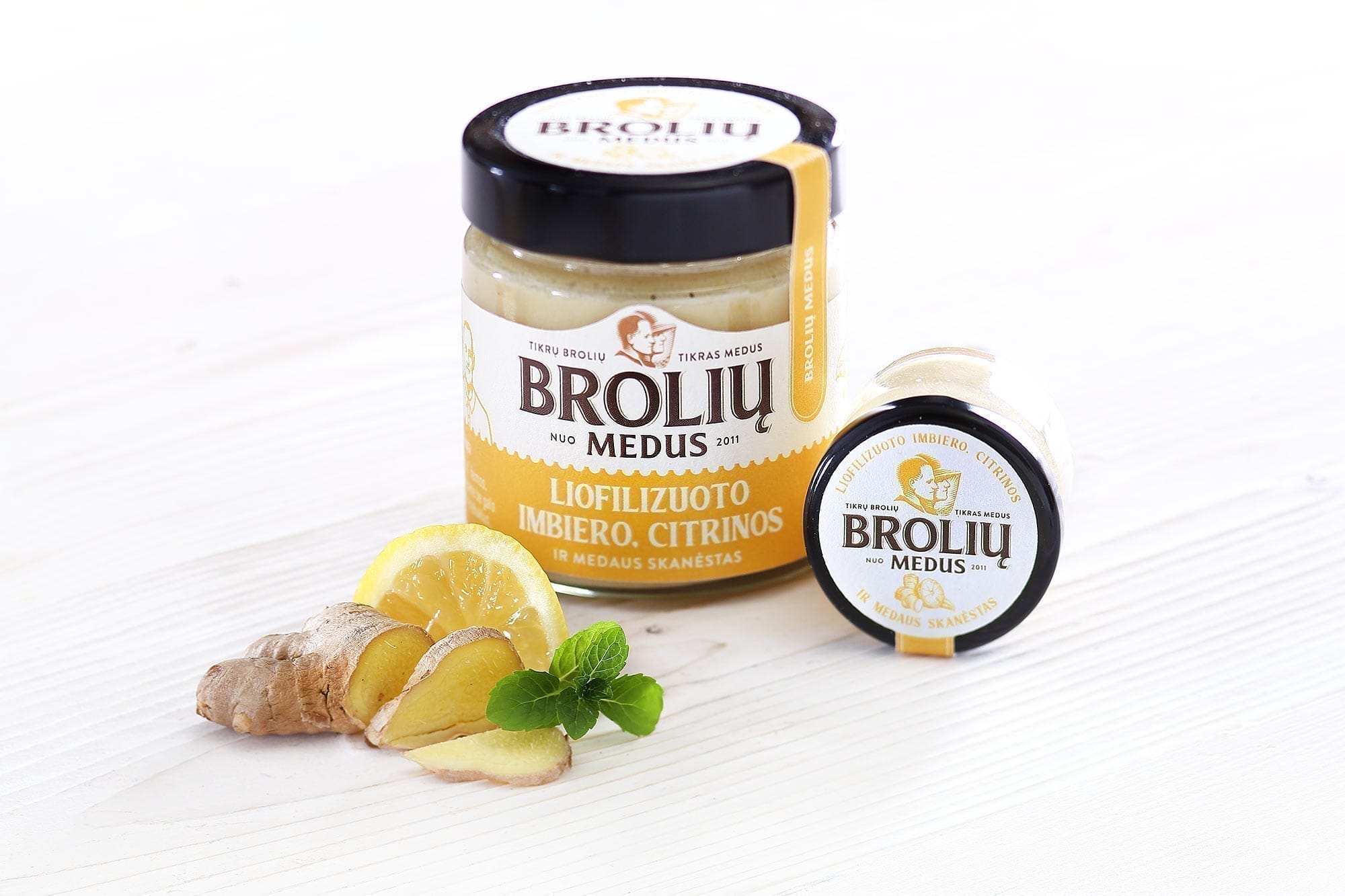
Honey with ginger and lemon
Price range: €2.30 through €4.95
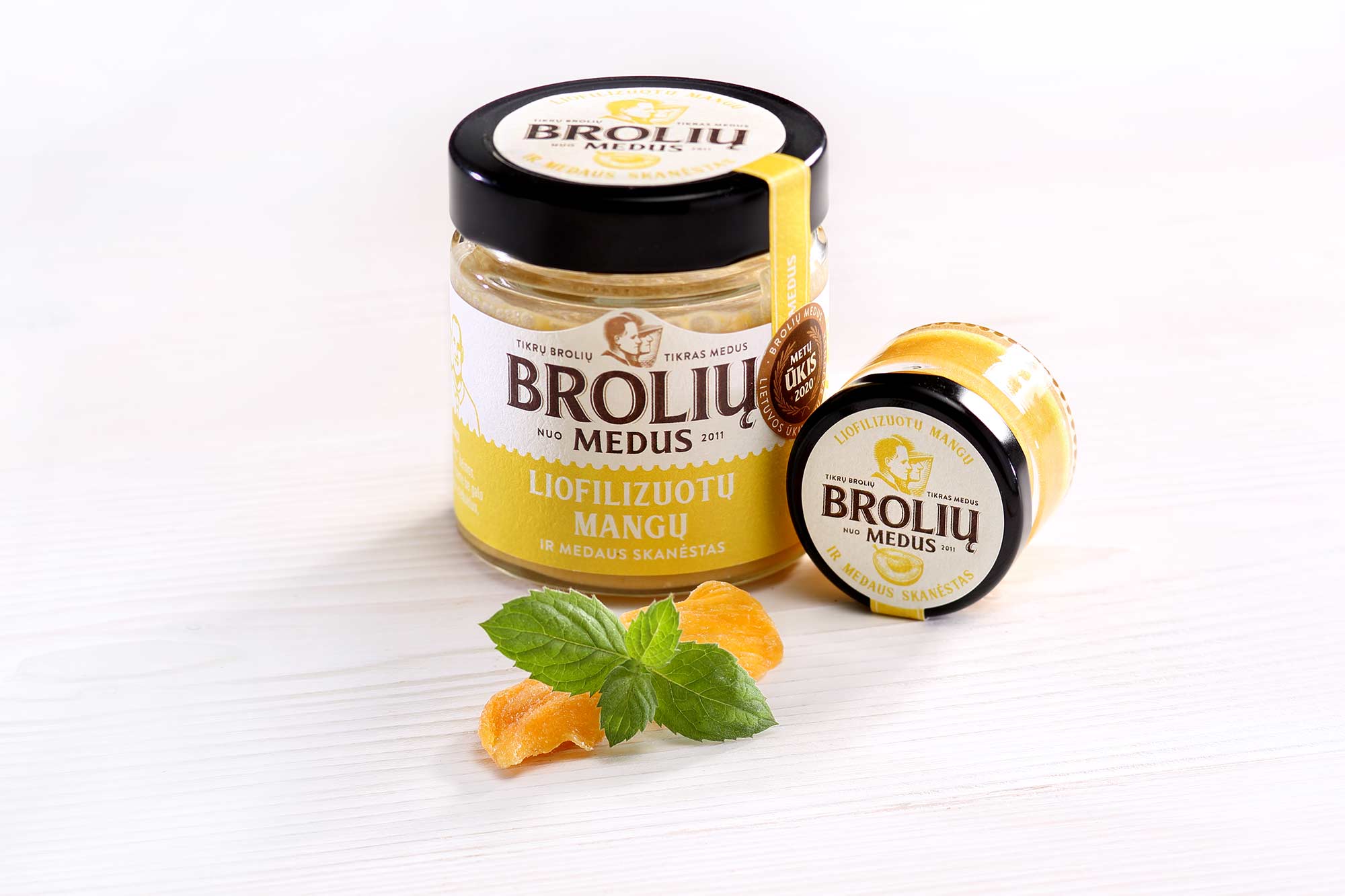
Honey with mangoes
Price range: €2.10 through €5.50
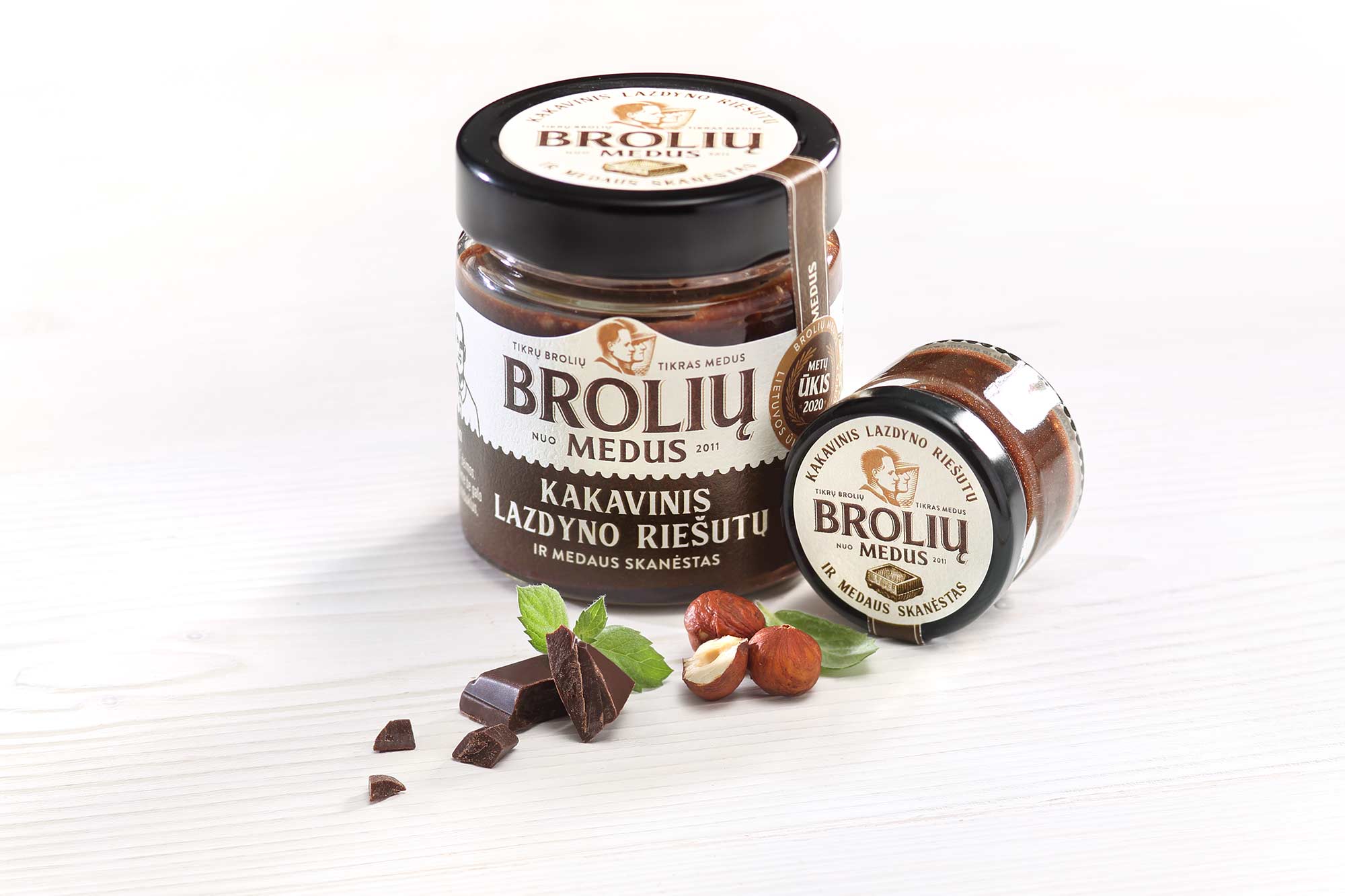
Honey with cocoa and hazelnuts
Price range: €2.20 through €5.60
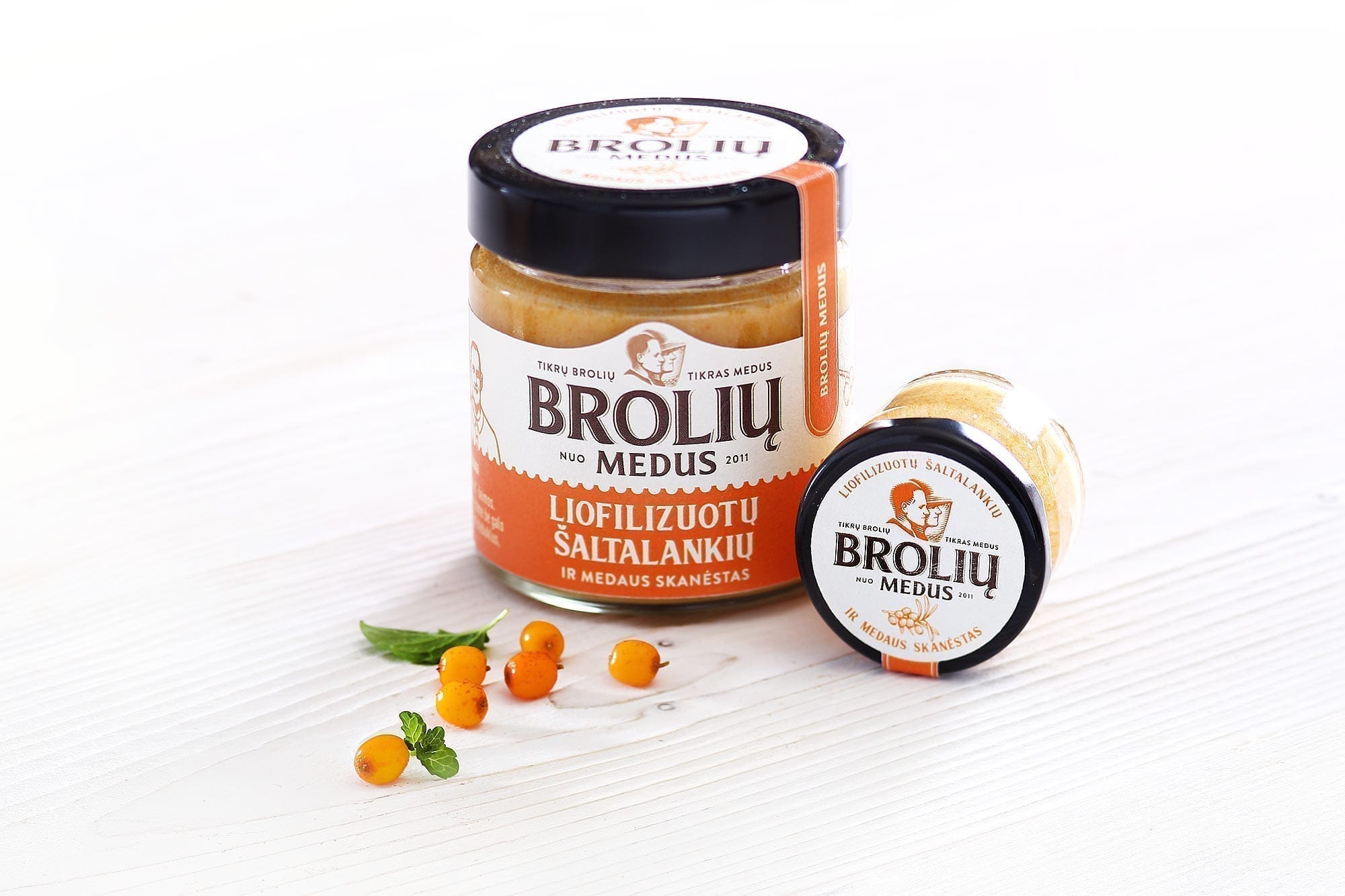
Honey with sea buckthorn
Price range: €2.30 through €5.90
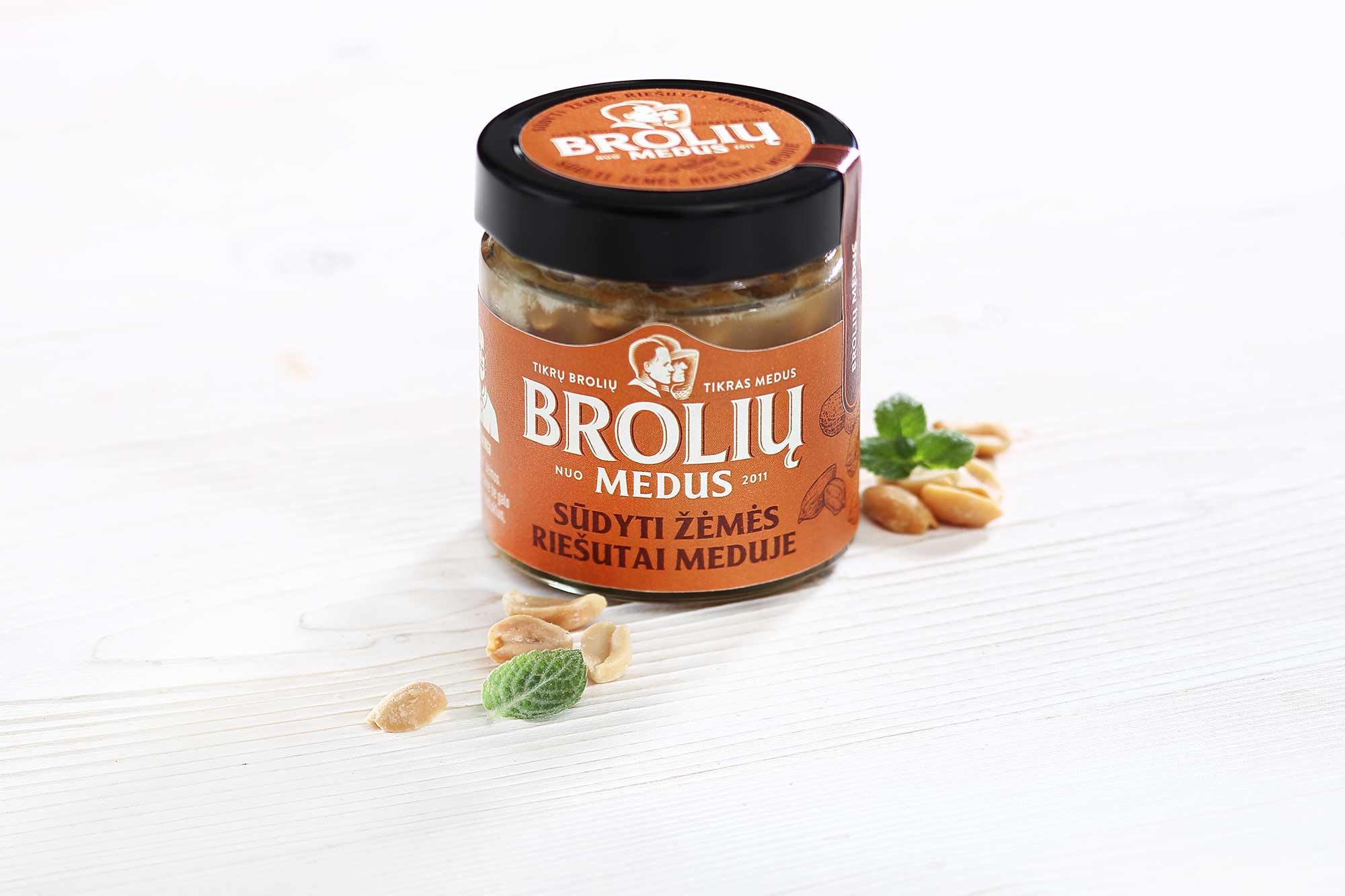
Salted peanuts in honey
Original price was: €5.10.€4.79Current price is: €4.79.
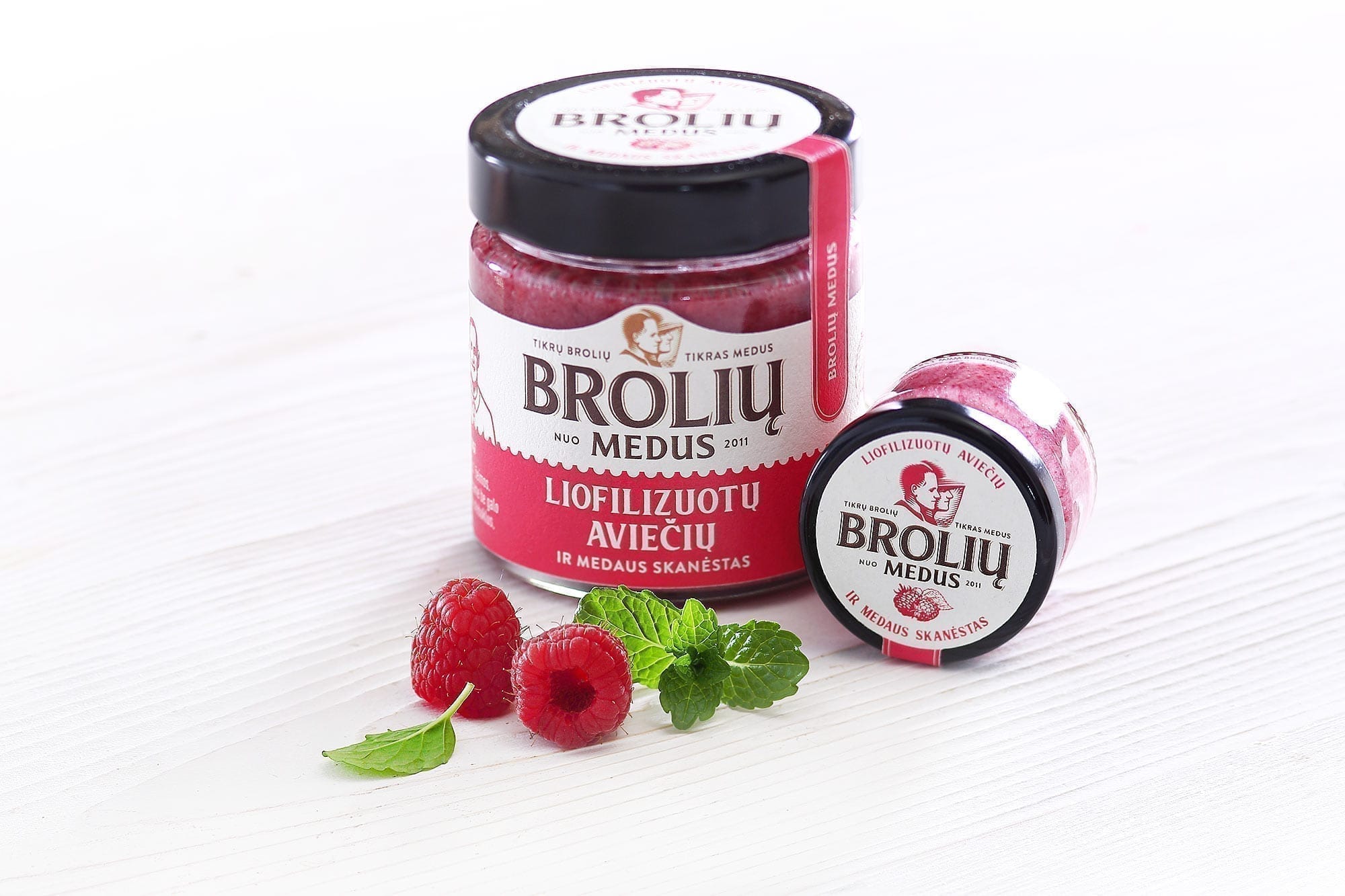
Honey with raspberries
Price range: €2.30 through €5.60
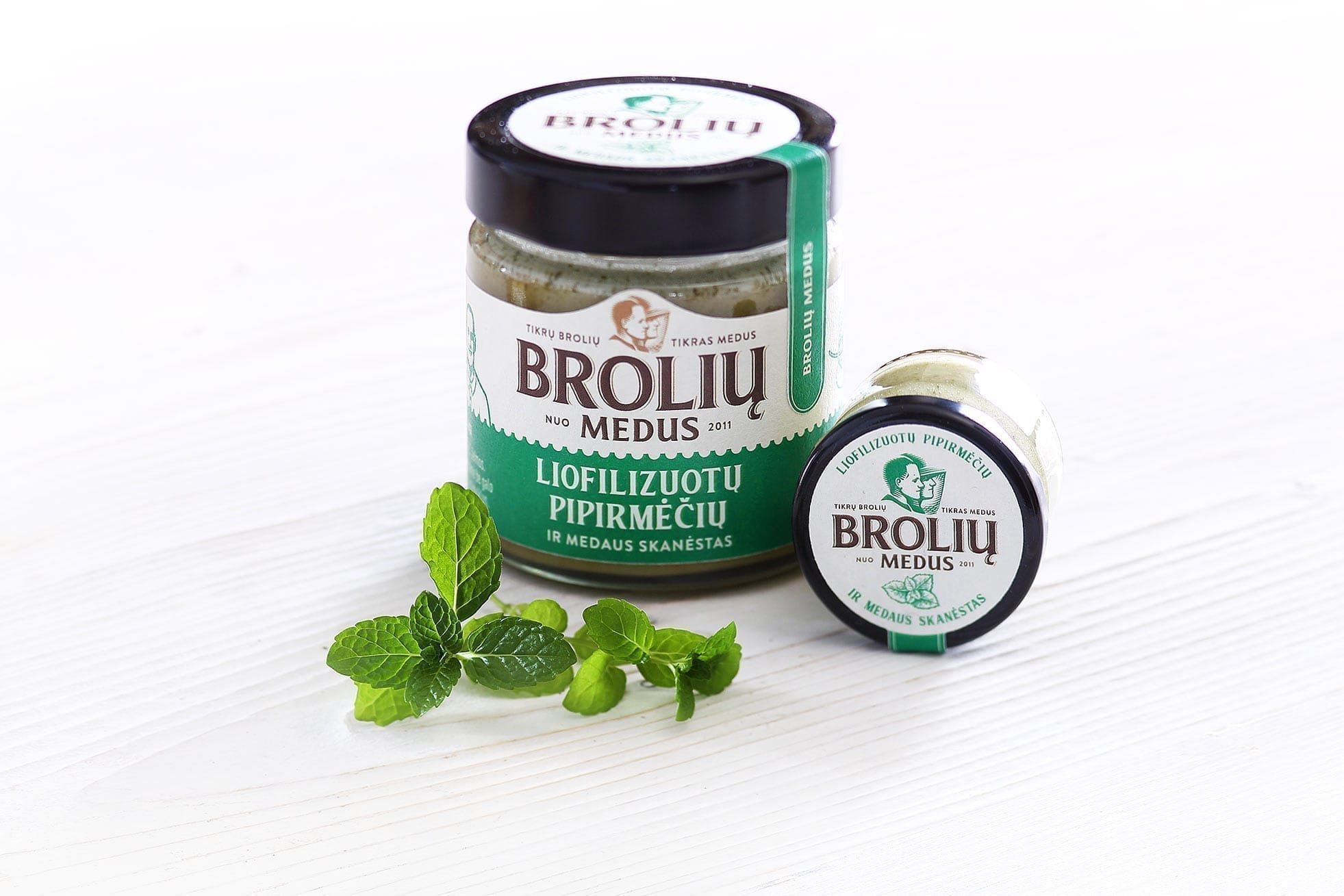
Honey with peppermint
Price range: €2.30 through €5.60
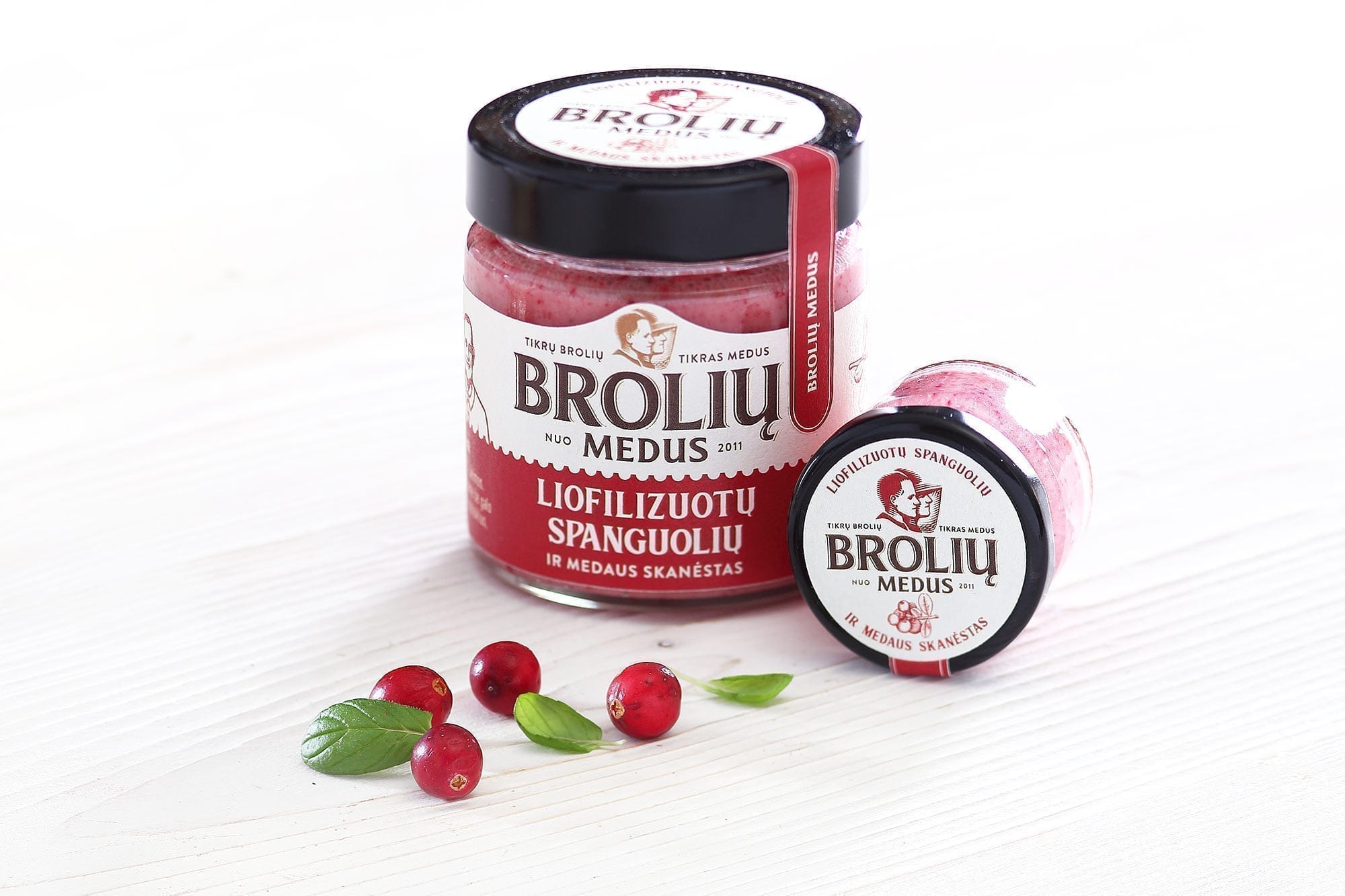
Honey with cranberries
Price range: €2.30 through €5.48
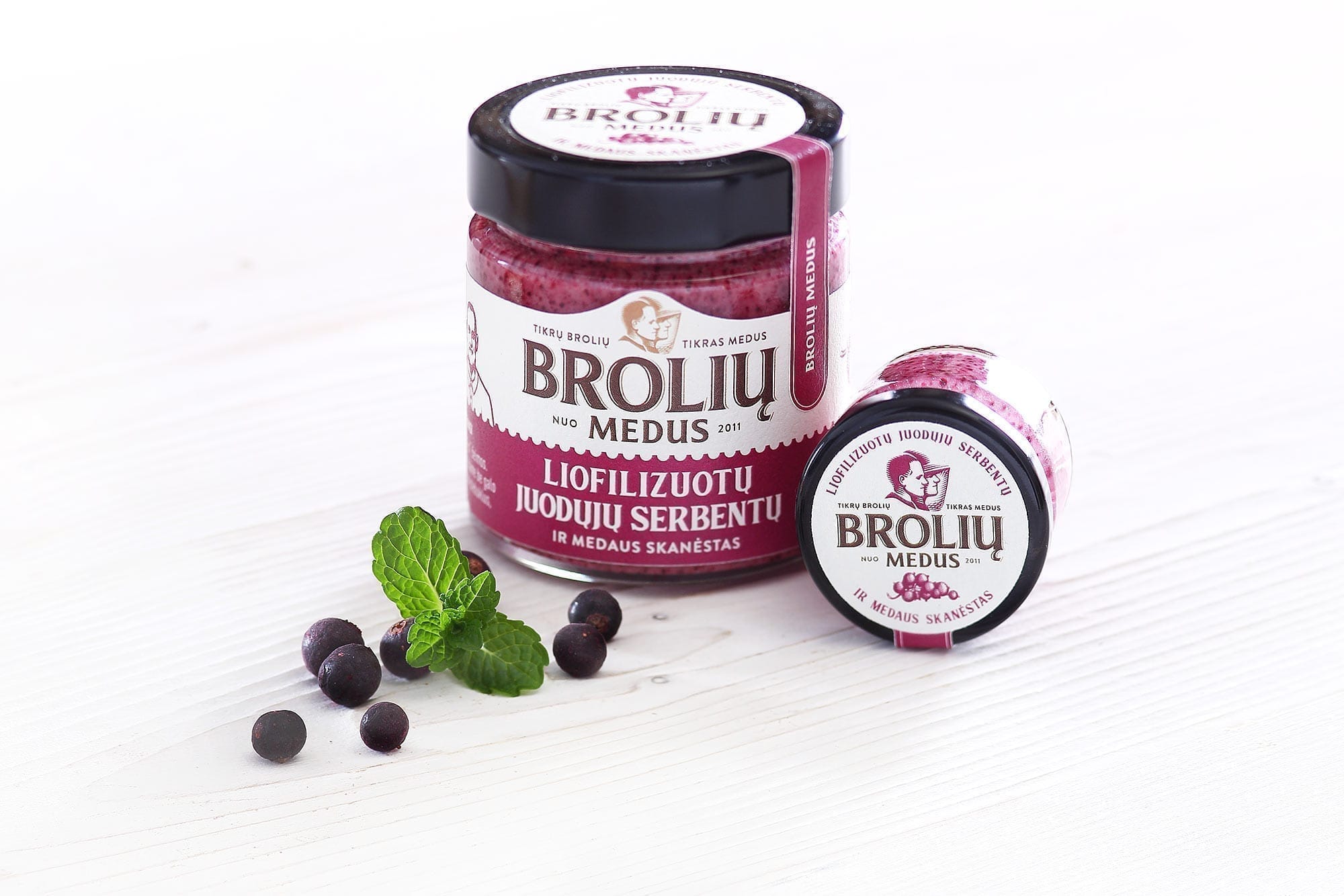
Honey with blackcurrants
Price range: €2.30 through €5.80
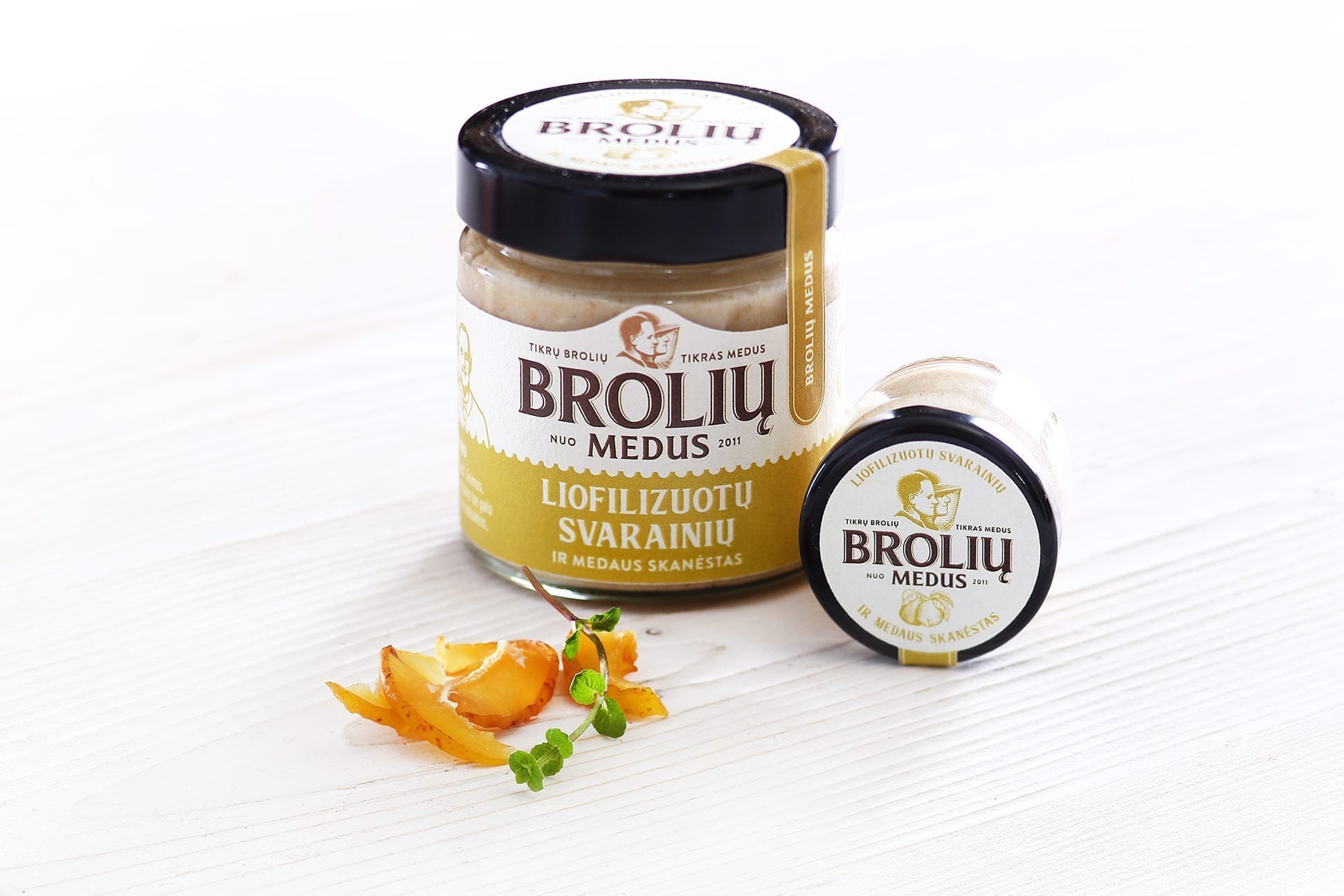
Honey with quince
Price range: €2.30 through €5.70
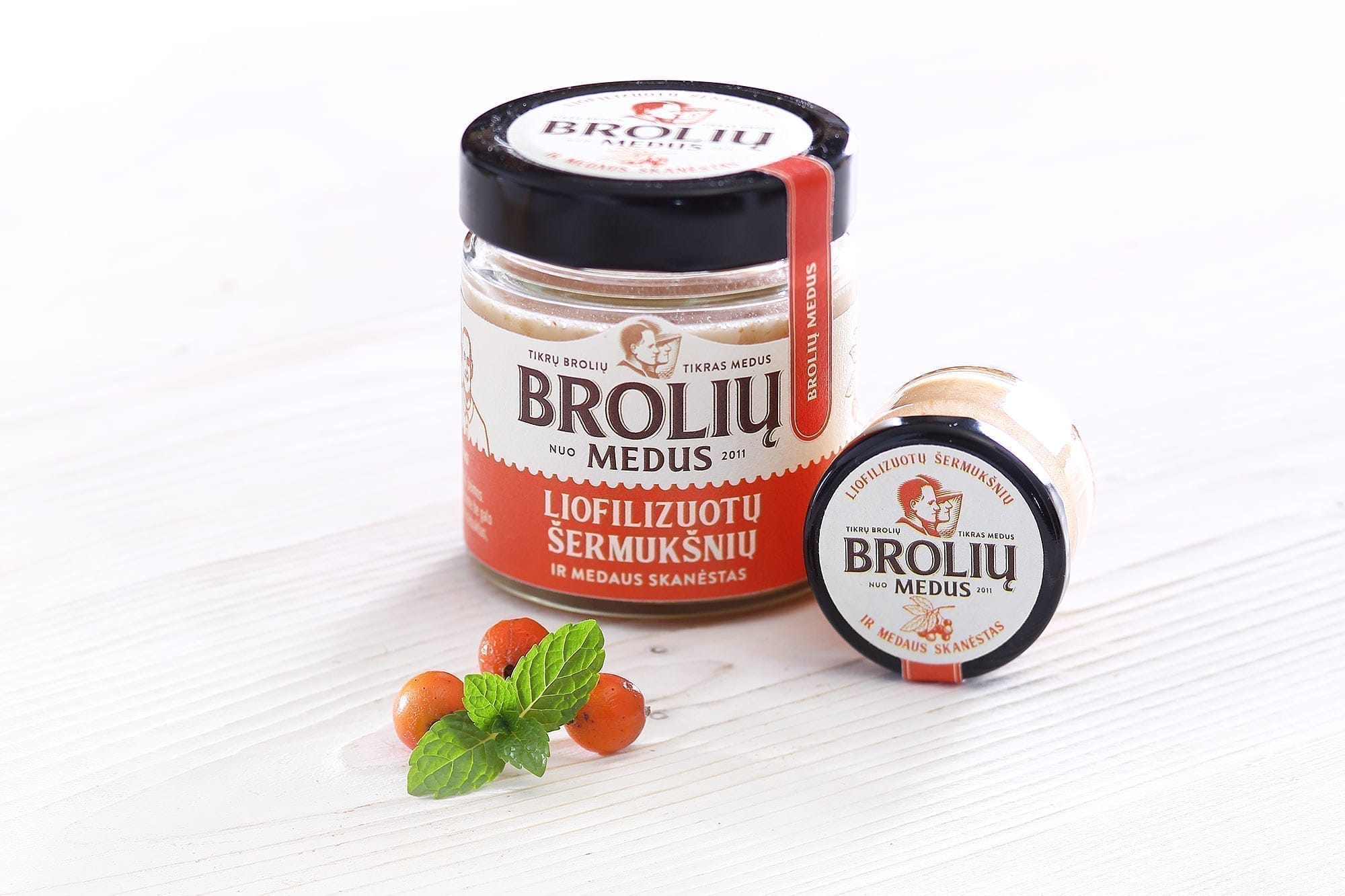
Honey with rose hips
Price range: €2.30 through €5.80
We have drawn on the following sources for our post:
- Samarghandian, S., Farkhondeh, T., & Samini, F. (2017). Honey and Health: A Review of Recent Clinical Research. Pharmacognosy research, 9(2), 121-127. https://doi.org/10.4103/0974-8490.204647
- Mandal, M. D., & Mandal, S. (2011). Honey: its medicinal property and antibacterial activity. Asian Pacific journal of tropical biomedicine, 1(2), 154-160. https://doi.org/10.1016/S2221-1691(11)60016-6
- Eteraf-Oskouei, T., & Najafi, M. (2013). Traditional and modern uses of natural honey in human diseases: a review. Iranian journal of basic medical sciences, 16(6), 731-742.
One thought on “Medaus nauda žmogaus organizmui”