

Blog
Cinnamon, turmeric and honey – natural antioxidants

Cinnamon, turmeric and honey have been valued for many years in both Ayurveda and our traditional medicine. And with good reason – these natural products possess powerful antioxidant, anti-inflammatory and antiseptic properties, which is why they are often used to strengthen the body and maintain general well-being.
These days, it is not only folk medicine but also scientists who are talking about oxidative stress, chronic inflammation and natural ways to maintain a sense of well-being. In particular, turmeric with honey and cinnamon is often mentioned amongst the products that can help the body combat everyday stress, fatigue and various inflammatory processes.
We like this combination not only for its health benefits, but also for its simplicity – it is not a complicated supplement or a ‘miracle pill’, but natural foods that people have been using for centuries. So what are the actual benefits of this mixture, and how should it be taken?
What are the benefits of cinnamon, turmeric and honey?
Turmeric with honey and cinnamon can help ward off many chronic conditions and slow their progression. This mixture is therefore beneficial for people with diabetes, cardiovascular diseases, circulatory disorders, chronic respiratory and digestive system diseases, endocrine system disorders or even reproductive system disorders. Furthermore, as they are powerful antioxidants, they help to maintain a youthful mind and body: they slow down the ageing process and may help to prevent neurodegenerative diseases (such as Alzheimer’s, Parkinson’s, etc.). Bee pollen also possesses similar properties and is valued for its rich composition of nutrients and antioxidants.
As well as for chronic conditions, honey with cinnamon and turmeric is excellent for ‘tackling’ the flu season or other infectious illnesses, as it has a powerful antimicrobial effect.  Although it is a powerful natural antibiotic, it does not have the adverse effects on gut microflora associated with synthetic antibiotics. On the contrary, this mixture can therefore be used on both external and internal wounds (ulcers) to disinfect them and speed up the healing process. It can also help to combat many more bacteria and viruses than just the flu: gastritis, tonsillitis and other infectious diseases of the digestive system.
Cinnamon, turmeric and honey have three main properties: antioxidant, anti-inflammatory and antiseptic. And those looking for even more potent natural bee products often opt for bee propolis, which has long been valued for its antiseptic and antibacterial properties.
Antioxidant effect
Honey with cinnamon and turmeric inhibits the formation of free radicals, helps to combat reactive oxygen species and thus reduces oxidative stress and cellular damage.
Anti-inflammatory effect
Chronic inflammatory or degenerative processes are often the result of oxidative stress. This blend not only helps to fight them, but also has anti-inflammatory properties by inhibiting the production and action of inflammatory mediators and suppressing cellular damage processes. One of the pathways by which these components work to reduce inflammation is by reducing the activity and release of cytokines, the mediators of inflammation. As chronic inflammatory processes are inhibited, this has a positive impact on all major cardiovascular, neurological and gastrointestinal diseases (cholesterol levels can be reduced, insulin resistance in type 2 diabetes mellitus can be reduced, etc.).
Antiseptic effect
Cinnamon has a particularly strong antiseptic effect. It has a negative effect on the growth of various viruses and bacteria and inhibits their spread by inhibiting their protein synthesis, which is one of the basic processes of a living organism/cell.
Recipe
Although they can be used separately, in Ayurvedic practice, honey and turmeric are most often used together, complementing each other’s qualities and making a kind of dessert, especially if ginger is added. There, this mixture is called golden honey (golden milk) and has been used for several millennia. Since turmeric is a plant that grows mainly in India, its properties were first discovered there, and it was only with the rise of shipping that this knowledge was brought to the West.
We can make this mixture at home to last for a few days. Simply mix turmeric root powder and cinnamon with honey. The thicker the honey, the more powder you’ll need. Usually, one teaspoon of turmeric and half a teaspoon of cinnamon are mixed with one tablespoon of honey. We can also enhance this mixture with other natural antioxidants and antiseptics – cloves, ginger, cardamom and so on. Bee bread is also a popular choice for supplementing one’s daily diet with natural bee products, and is valued for its rich nutritional content.
How to use?
This blend has a really oriental, spicy but very refreshing taste. Add ginger and you have an almost perfect dessert. In order to best absorb all the beneficial properties, the mixture should be used in the following ways:
- Honey with cinnamon and turmeric can be taken, one teaspoon at a time, before breakfast in the morning, simply washed down with a glass of water.
- If you dissolve a tablespoon of this mixture in warm water or milk, you will have a delicious tea that is a bit like a spiced latte.
- Alternatively, you can just slowly suck a dessert spoonful of this delicacy in your mouth.
It’s wonderful that you’re interested in natural ways to improve your health, and those looking for a more convenient way to consume honey or other bee products are increasingly turning to natural honey gumdrops. As beekeepers, we know just how important and miraculous nature is. If we learn to trust, respect and preserve it, we will surely be blessed with fulfilment, health and happiness. Stay well!
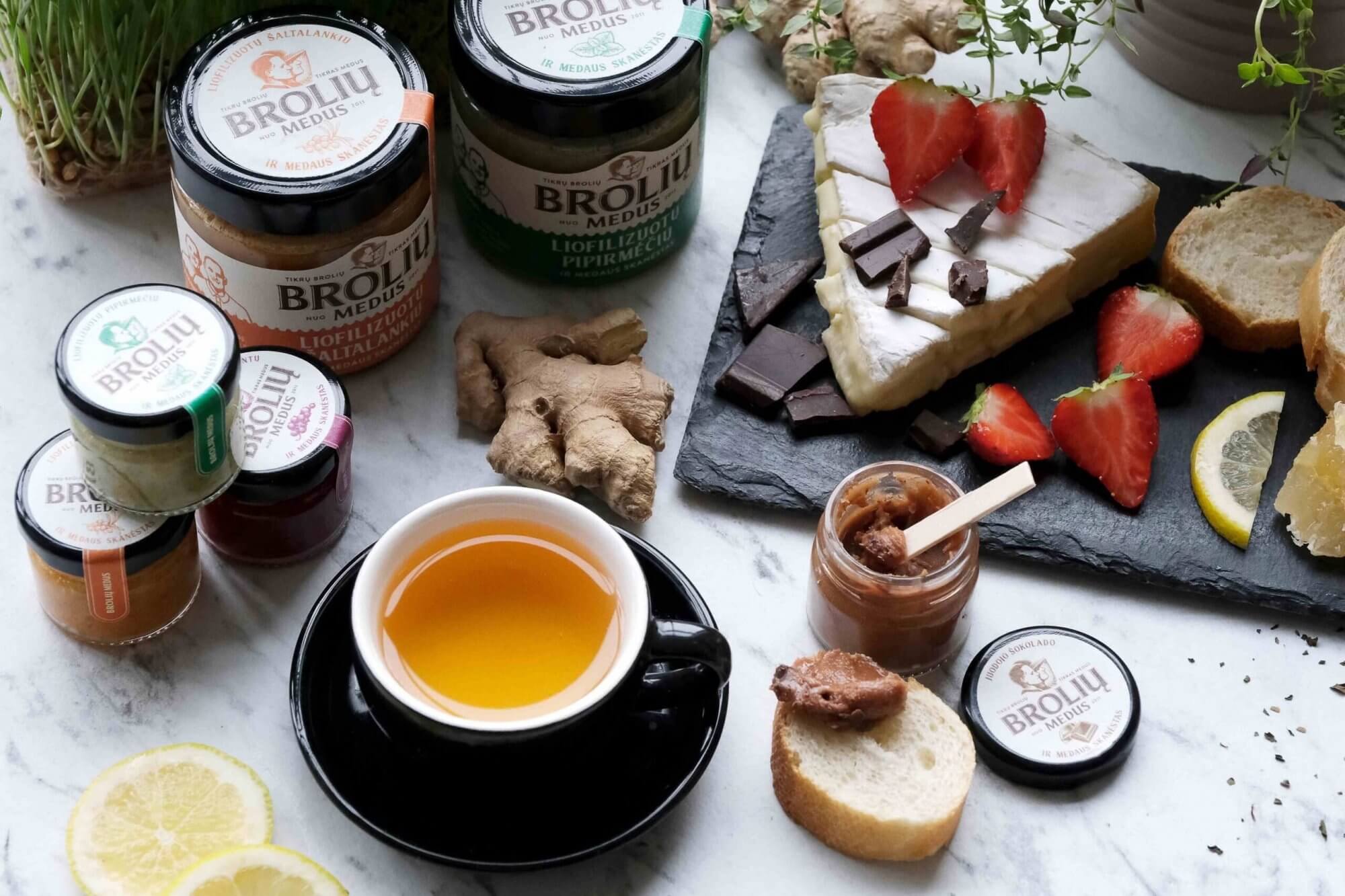
Our honey for your cinnamon, turmeric and honey blend:
Sources used in this post:
- Rao, P. V., & Gan, S. H. (2014). Cinnamon: a multifaceted medicinal plant. Evidence-based complementary and alternative medicine : eCAM, 2014, 642942. https://doi.org/10.1155/2014/642942
- Hewlings, S. J., & Kalman, D. S. (2017). Curcumin: A Review of Its Effects on Human Health. Foods (Basel, Switzerland), 6(10), 92. https://doi.org/10.3390/foods6100092




One thought on “Cinnamon, turmeric and honey – natural antioxidants”