

Blog
How is honey produced and what is its composition?

Every time we open a jar of honey, we see the same thing – a golden, fragrant and sweet product. However, we rarely stop to think about how much work goes into a single teaspoon of honey.
To produce it, bees visit thousands of flowers, passing the nectar back and forth between themselves several times, enriching it with natural enzymes, and then patiently maturing it in the hive. Only then does the nectar become the honey that we spread on bread, add to our tea or enjoy straight from the spoon.
In this article, we will explain how honey is made, what makes its production process so special, and why bees are able to create a product that no food technology has yet been able to replicate.
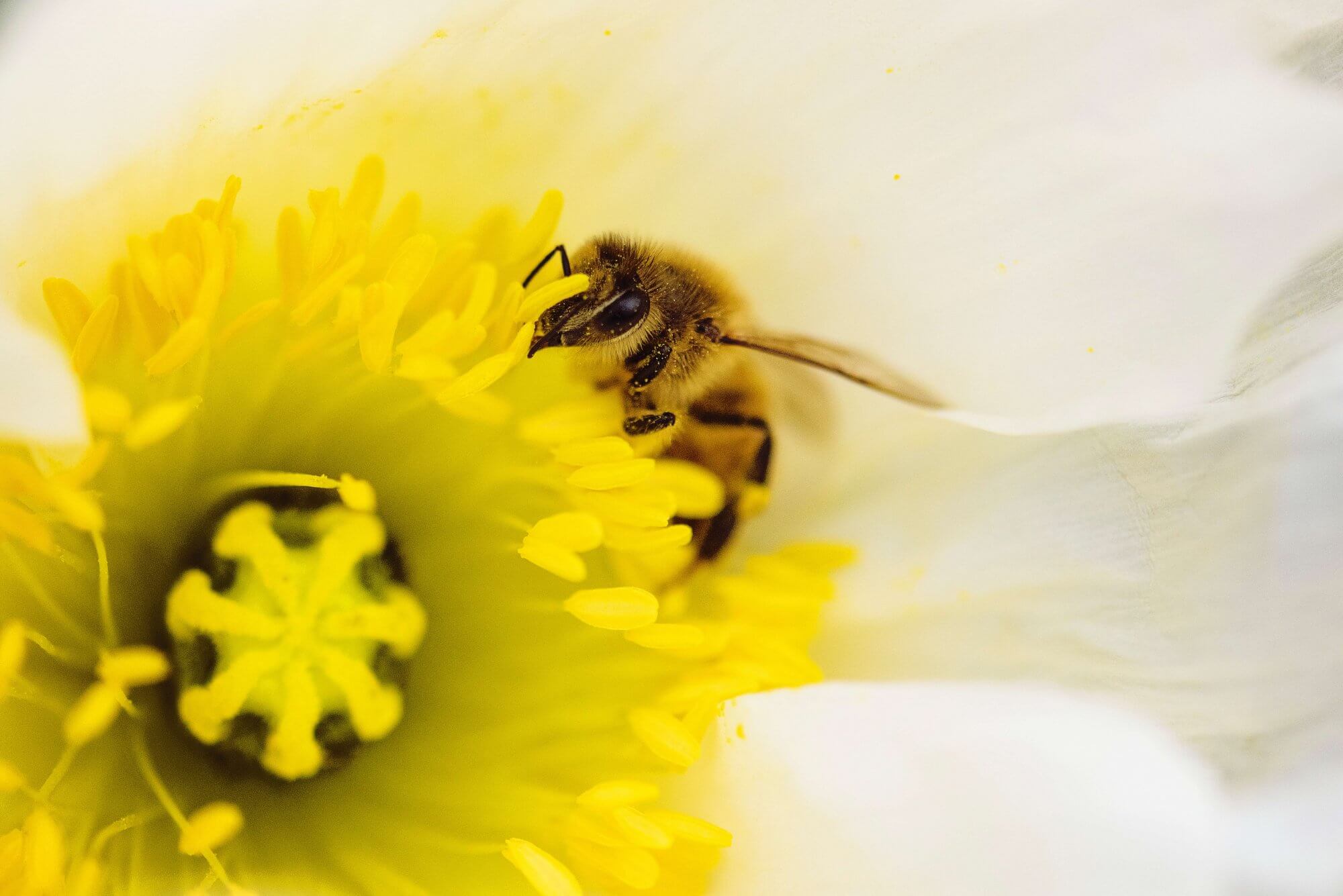
Bees honey produce nectar from the nectar found in the flowers of plants. Nectar is a sweet liquid that insects eat. Bees visit thousands of flowers and fly countless kilometres to collect the right amount. So can we make honey after we’ve wandered through the meadows, gathered nectar and know the recipe? It turns out that the secret is not in the nectar, but in the hard-working women themselves. Once collected, or rather drunk, by bees, the nectar enters one of their two stomachs, where it is processed by special digestive enzymes. Sound not very tasty? Read on…
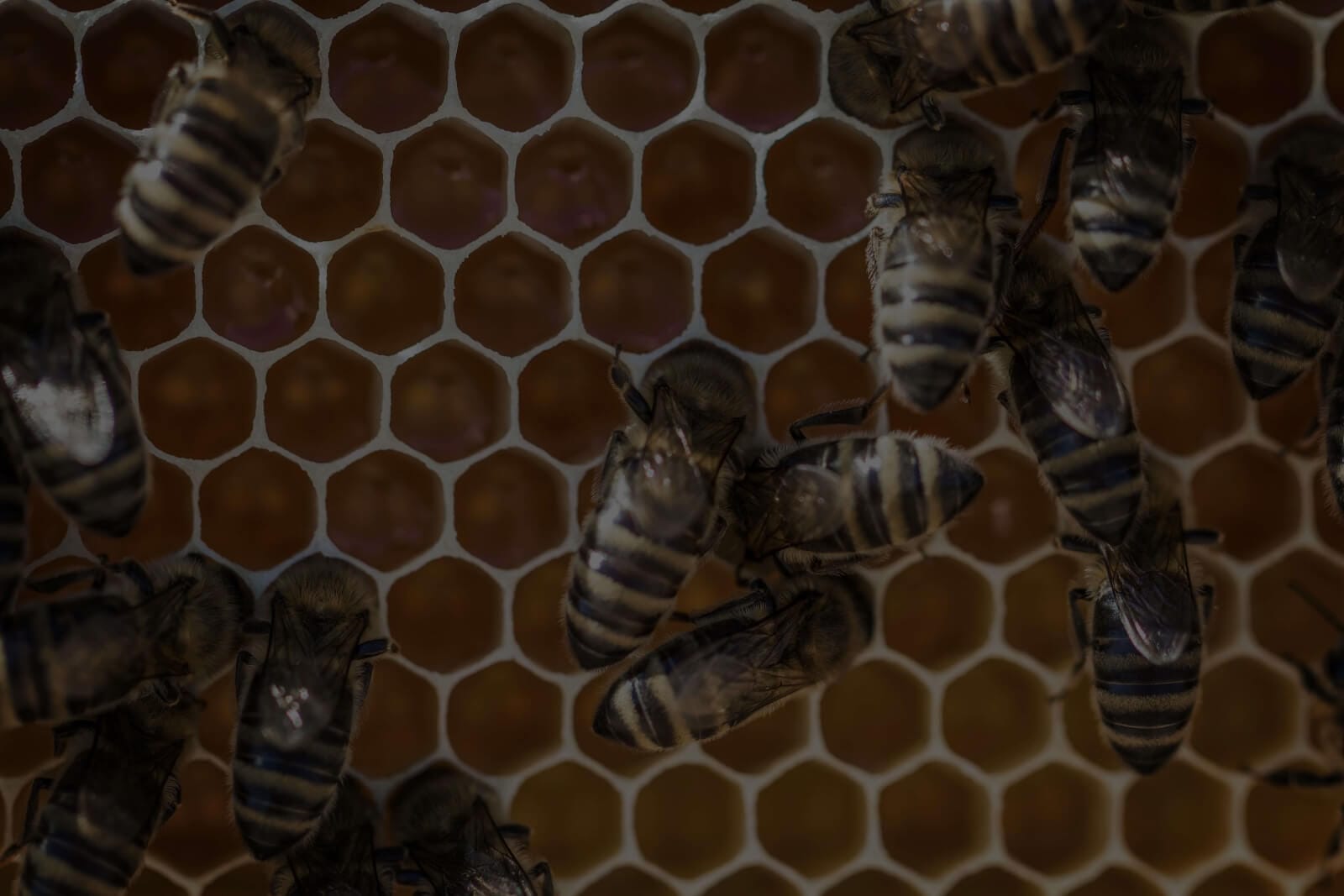
After a long journey from the fields, the nectar has already been digested in the stomach and is passed on by one worker bee to another, and by that one to yet another. This process is a bit like ‘Chinese whispers’ – the nectar is passed along a chain of bees into the hive until it finally reaches the comb. You might ask, how do bees ‘pass on’ the nectar? Well, certainly not from hand to hand, but via their proboscis. In this way, each bee contributes its own enzymes to the nectar. This makes it even more valuable.
Fermentation in the honeycomb is a crucial part of the honey production process. After pouring the nectar into the honeycomb, the bees beat their wings vigorously and ventilate the nectar for a while – thickening it before sealing it with wax and leaving it. During fermentation in the comb, the complex carbohydrates in the nectar are converted into simple and easily assimilated glucose and fructose. This is why we feel the sweetness of honey as soon as we lick it.
You might say that this method of honey production seems a little unhygienic? Scientists have recently discovered that bee bread, which is used to feed worker bee larvae, contains chemicals that render the bees completely sterile. That’s why honey and other bee products keep for so long! Unspoilt honey has even been found in the pyramids of the pharaohs. Admittedly, no one has yet dared to taste it… Fortunately, ‘Brothers Honey’ is coming straight to your home – fresh and delicious. And if you’re looking for a different way to enjoy honey, it’s worth trying our honey-flavoured sweets, which combine honey with fruit flavours. So go ahead and enjoy!




One thought on “How is honey produced and what is its composition?”
Comments are closed.