

Blog
In a small room I build a fire

When we want to make our home feel cosier, we usually look for simple solutions. We light a candle, settle down with a cup of tea and slow down the pace of the day, if only for a moment. However, not all candles are the same – natural beeswax candles stand out not only for their soft glow and pleasant scent, but also for the beekeeping traditions that have been cherished for centuries.
Beeswax is a completely natural substance produced by bees to build their honeycombs. Candles made from it burn with a bright, steady flame, give off a subtle honey scent and are associated by many with warmth, tranquillity and naturalness. It is no coincidence that, even before the advent of paraffin candles, beeswax candles were an integral part of homes, celebrations and various rituals.
In this article, you’ll discover what makes natural beeswax candles so special, how they’re made, and why they’re still so highly valued by both beekeepers and those seeking natural products. We’ll also share some tips on how to twist or pour your own candle, which will bring even more warmth and cosiness to your home.
Wax – beekeepers’ privilege
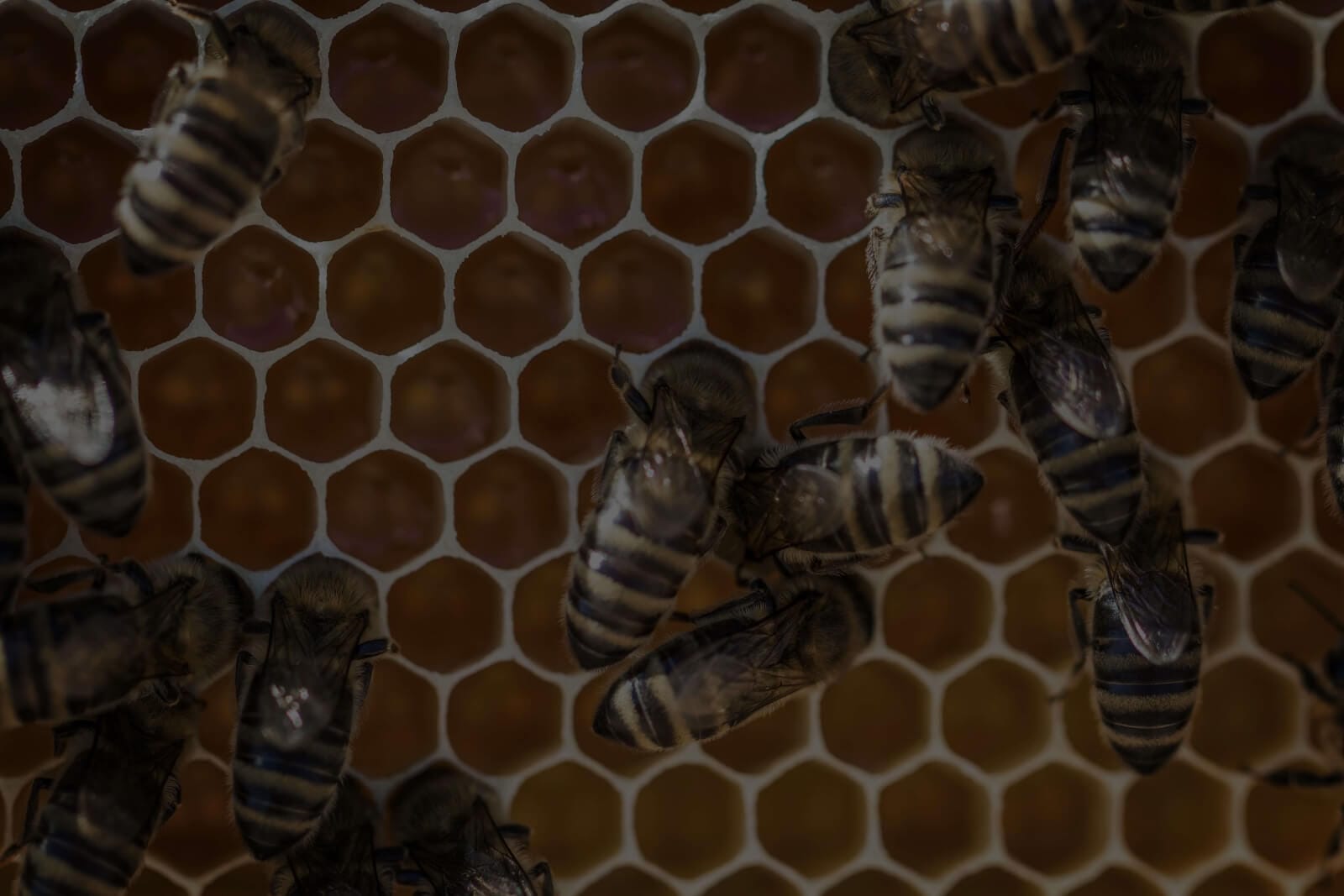
 Beeswax is a completely natural, organic substance produced by bees. Yes, you’ve read that correctly: bees do not collect wax from the fields; they produce this highly flammable substance themselves. And certainly not to keep warm. Wax is a building material used by wild bees to construct their combs in tree hollows and on mountain slopes. It is mainly produced by young bees, just 12–16 days old. They mould the liquid secreted from a special gland in a way that even the best builders could not match – into perfect hexagonal honeycomb cells. All this is done without any ‘spirit level’ or set square. They don’t even need special mixers, trowels or other tools – these hard-working bees carry out all the construction work with their barely visible little legs. And, although they cannot play Chopin, they certainly have no cause for complaint when it comes to dexterity. The hexagon is a perfect example of economy: how to build the largest possible structure using the least amount of material. Since such structures exist only in trees or hives, beekeepers have traditionally made candles, as there were few daredevils willing to obtain wax from wild bees. The production of natural beeswax candles remains, even today, a craft, a hobby and a pastime for beekeepers. A pastime? If you’re in any doubt, we invite you to try this calming, yet highly focused, activity for yourselves. At the candle-making workshops held as part of ‘Brothers Honey’ educational programmes, even the very youngest, as well as those considerably older, who are pleasantly surprised by this inspiring activity, which, at first glance, may seem much easier than it actually is. However, wax is just one of many valuable bee products that bees create in their daily work.
Different heat
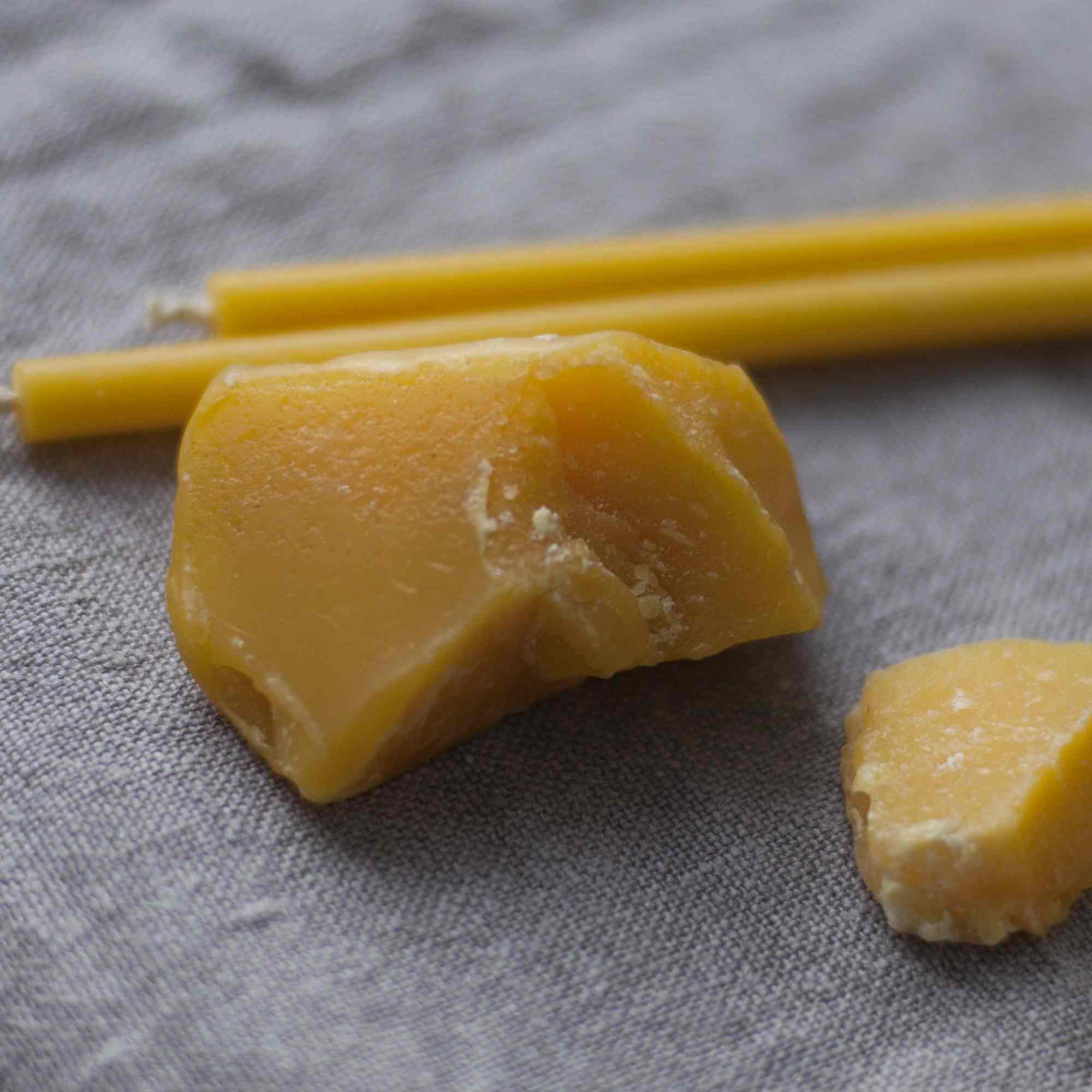
The traditions of wax candle-making have changed very little. Although more modern tools have emerged, such as specialised wax-purification equipment and pre-formed candle moulds, the bulk of the work is still carried out by hand. All the good wishes and positive thoughts put into the candles are not the only reason why a beeswax candle burns differently from one made from paraffin or soya wax. Beeswax burns with a brighter and warmer flame, not to mention its unmistakable scent… Honey, bee bread rolls, the scent of bees… This natural aroma is complemented by the pollen stored in the hive, which is one of the bees’ most important sources of food. The colour of the wax depends on what has been stored in it. It is honey, in particular, that gives the naturally off-white wax its yellowish tint. The more impurities there are in the wax, the darker it is, and the richer and more intense the scent. Paraffin candles, on the other hand, are odourless or contain added synthetic fragrances. Furthermore, as they are made from petroleum products, beekeepers often compare them to a car left running in a room – soot, a foul odour and harmful substances are guaranteed. Beeswax candles are not only harmless, they even release substances that cleanse and purify the air, helping to combat harmful microorganisms in the environment. Perhaps that’s why bees never catch a cold? ?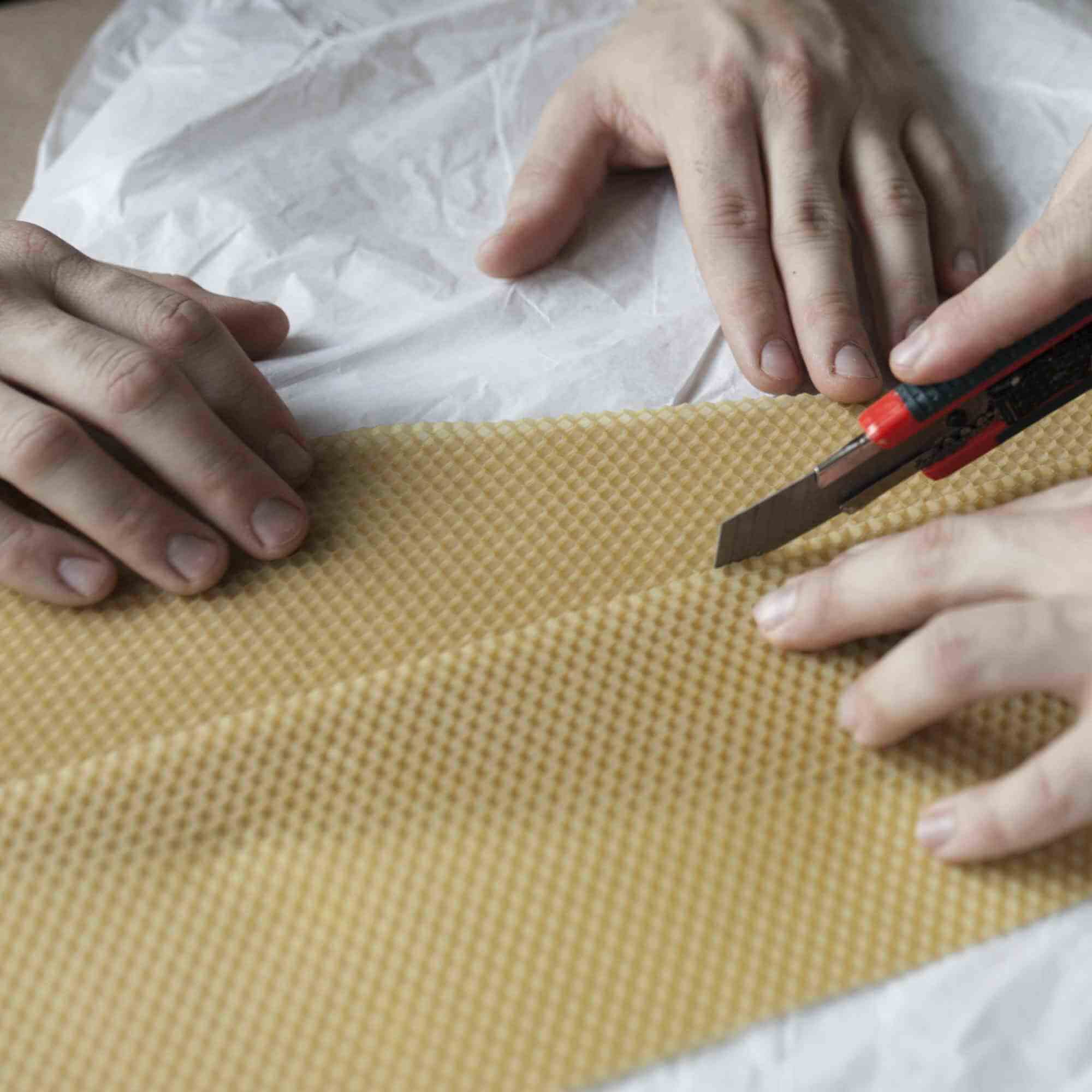
If you’ve ever watched a wax candle burn, you’ve probably remembered the calmness it gives off. Not only is it made with tenderness (try twisting just one candle and you’ll know what I mean), but it burns with it. The wax gradually melts and burns, the wick doesn’t crackle, the flame flickers evenly, rivulets of wax run down onto the tablecloth, and so it burns quietly, patiently, until it burns. That is true warmth and peace. Once you try it, they say, you can’t stop. Once you’ve tried wax candles, you’re enchanted, and you begin to enjoy their little miracles all the time. After all, you can never have too much heat.
Twist the candle, twist it to one side
Natural wax candles are usually made in two ways: by twisting and by casting. Twisted candles are marked with a natural honeycomb pattern, whilst moulded candles can take on any shape. Which are more difficult to make? Both require meticulous care and love.
The candles are made with silicone moulds, which you can make yourself. All you need is a container for pouring the silicone, silicone mix, the object you want to shape into a candle, a cotton (linen or other natural) wick and melted wax. First of all, you need to make a mould. To do this, pour the silicone you have made into a container (mix the two silicone components well and quickly) and dip the desired mould into it. It is important to follow the manufacturer’s instructions and the specified setting time when making the silicone. So, once our future mould has set, we simply cut it lengthwise on one side so that it is easy to open and remove the used moulding item. Once the mould is made, we place the wick in the middle of the mould, stretch it well, making sure to secure it at both ends of the silicone mould. Then we can pour the melted wax inside. Secure the mould firmly with ties, straps or rubber bands to prevent the wax from spilling out accidentally. When the mould has cooled, carefully remove the candle, trim the bottom so that it stands flat, cut off the excess wick and dip the remaining tip in wax to make it easier to light. Are you tempted to try?
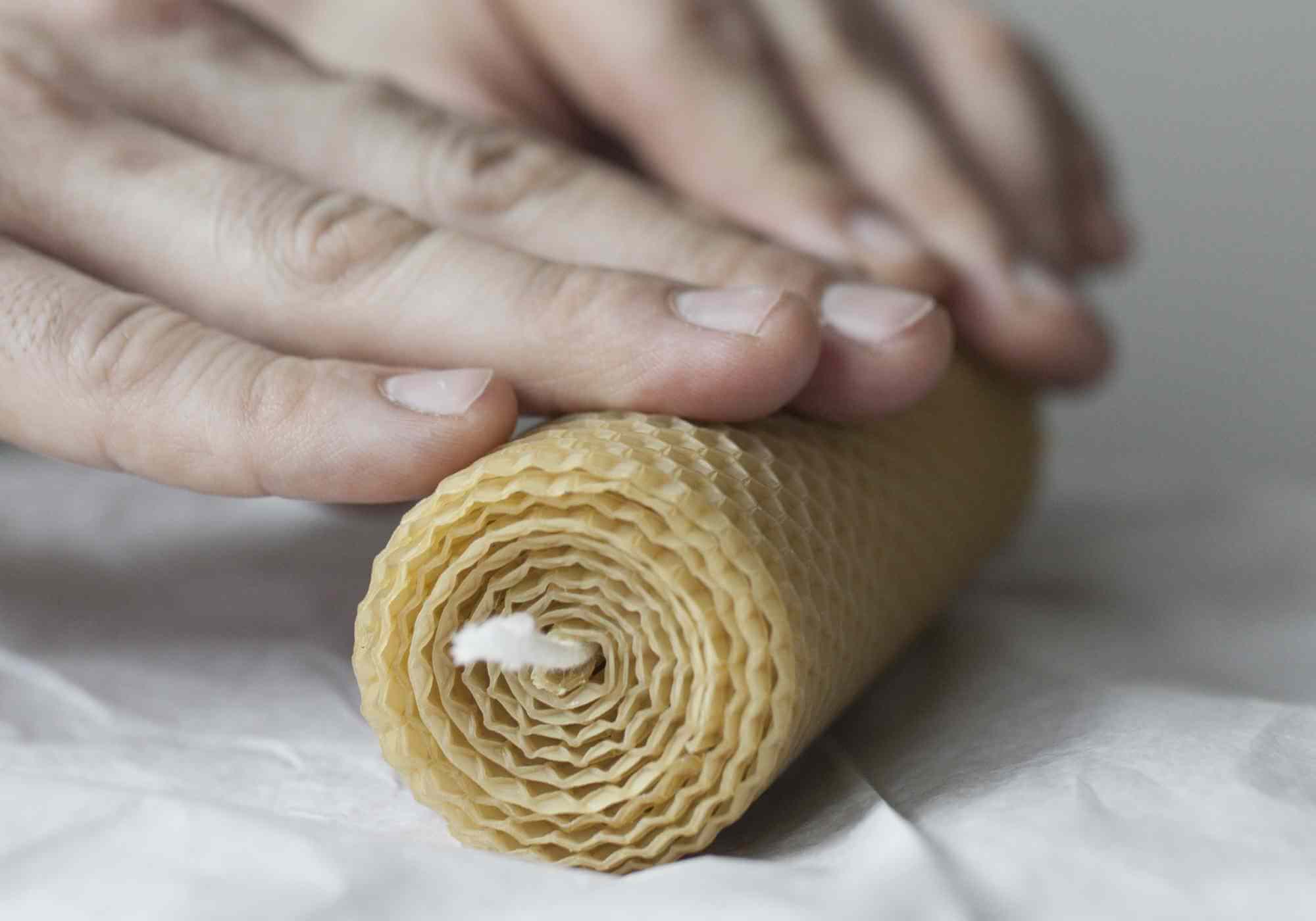
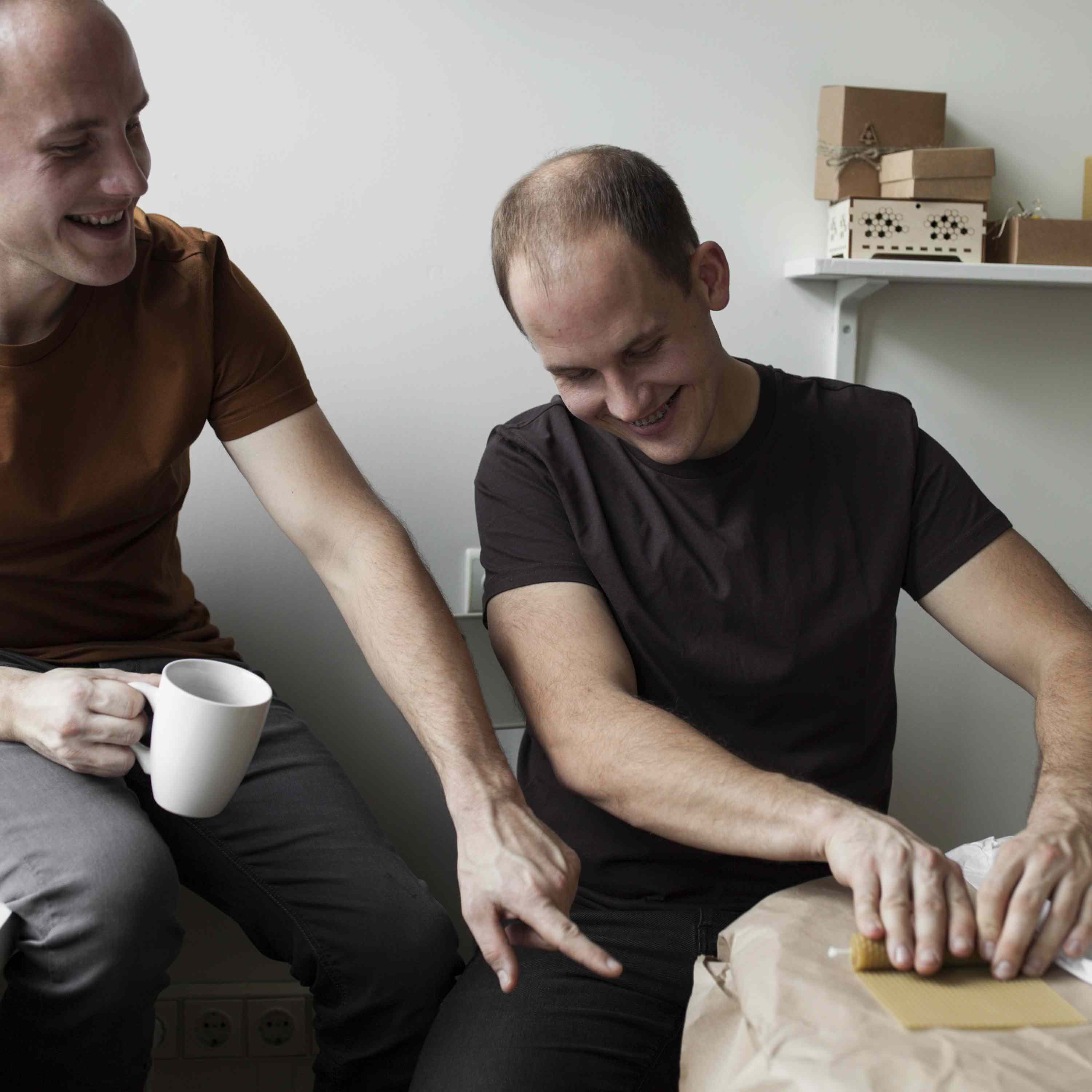 To spin a candle for yourself, at first glance, seems like asking. All you need are beeswax plates, a wick and dexterous warm hands. Wax is a very pleasant material, but it is also a fast-decomposing material, so you need to be able to twist it with warm hands to make a nice candle that burns well. The beekeeping brothers advise you to warm your hands by rubbing the palms of your hands before you start to twist your first candle. So, once we have relaxed and warmed our hands, we can start to spin the candle. First, we coat the wick well with wax, crimp it, and then slowly spin the wax plate. The twisting should be as tight as possible to minimise the gaps between the wax plates. It is important to both ‘smooth’ and ‘steady’ the candle. Make sure that the wax plate is aligned on both edges and that it does not split. Also, twist very gently and calmly to avoid damaging the wax and distorting its texture. The tighter you twist the candle, the more beautifully it smoulders. So, patience!
And accepts and accompanies
Light yourself a candle to light your way… And candles always give off light: in good times and in bad, when we’re celebrating and when we’re crying. Well, at least they used to. The flame of a beeswax candle, like no other, has the power to soothe: they say that when you light one, you can even hear the bees buzzing, smell fresh honey and breathe in the scent of summer. This therapy of scents and warmth in our homes is a gift from the bees, who have been our helpers for countless years and, thanks to whom, our crops and all of nature bear fruit year after year. Perhaps it is somewhat symbolic that bees, the bearers of life, are welcomed by wax candles and, ultimately, see us off, as if closing one cycle of nature and naturally moving on to the next. After all, in days gone by, only real wax candles were used for consecration. It is sad for the bee that its wax provides less warmth, and it is sad for the person who seeks warmth but cannot quite warm themselves by the cold flame.If you’ve never tried lighting a real wax candle before – do give it a go. Perhaps even that little room, once a fire is lit, will feel cosier than a palace, and those ashes or little toads will glow like princes and princesses in the light of real candles. Perhaps the palace will no longer seem cold and vast, and the people – not quite so unapproachable, if everyone gathers round that light and warmth which brought us here, accompanied us on all our life’s journeys as far as the Ural Mountains, and which saw each of us off into a brighter tomorrow. And if you’d like to get to know the world of bees even better, it’s worth discovering the other fruits of their labour, such as honey-filled gummy sweets, which let you enjoy the taste of honey in a whole new way.