


Blog
Bee pollen: from the fields to the hive, from the hive to our tables
Let’s be honest – when we feel we’re lacking in vitamins, we usually just pop into the chemist’s to look for food supplements or synthetic vitamins. However, we are increasingly turning to what nature itself has created. Honey, bee bread, royal jelly and other bee products are gradually making a comeback in our daily diet, not only for their taste but also for their beneficial properties.
Bee pollen has also become extremely popular in recent years. And with good reason – these tiny, colourful grains are packed with vitamins, minerals, proteins and other nutrients that are beneficial to the body. It is no wonder that bee pollen is often referred to as one of the most valuable natural bee products.
In this article, we will briefly discuss the benefits of bee pollen, how it is collected and how to use it correctly.
How do we benefit from pollen collected by bees?
Bee pollen is a natural product collected by bees, which has antibacterial, antiviral, antioxidant and immune-boosting properties. Pollen collected by bees is rich in vitamins, particularly B vitamins, as well as vitamins A, C, D and E. It also contains carotenoids, rutin, folic acid, proteins and trace elements. Bee pollen is a real find for those who exercise.
Bee pollen has a beneficial effect on the nervous system; it is suitable for use when feeling low, suffering from insomnia, wishing to boost the immune system, or whilst recovering from illness. Pollen collected by bees improves metabolism (it may help with weight loss), provides energy, aids in the management of atherosclerosis, reduces inflammation and strengthens capillaries.
Are you struggling with anaemia or an iron deficiency? Bee pollen helps to increase iron levels in the blood, whilst also boosting red blood cell counts. Interestingly, bee pollen contains a similar amount of iron to animal liver, making it particularly beneficial for people who do not eat meat – such as vegetarians.
Bee pollen: do beekeepers collect it with tweezers?
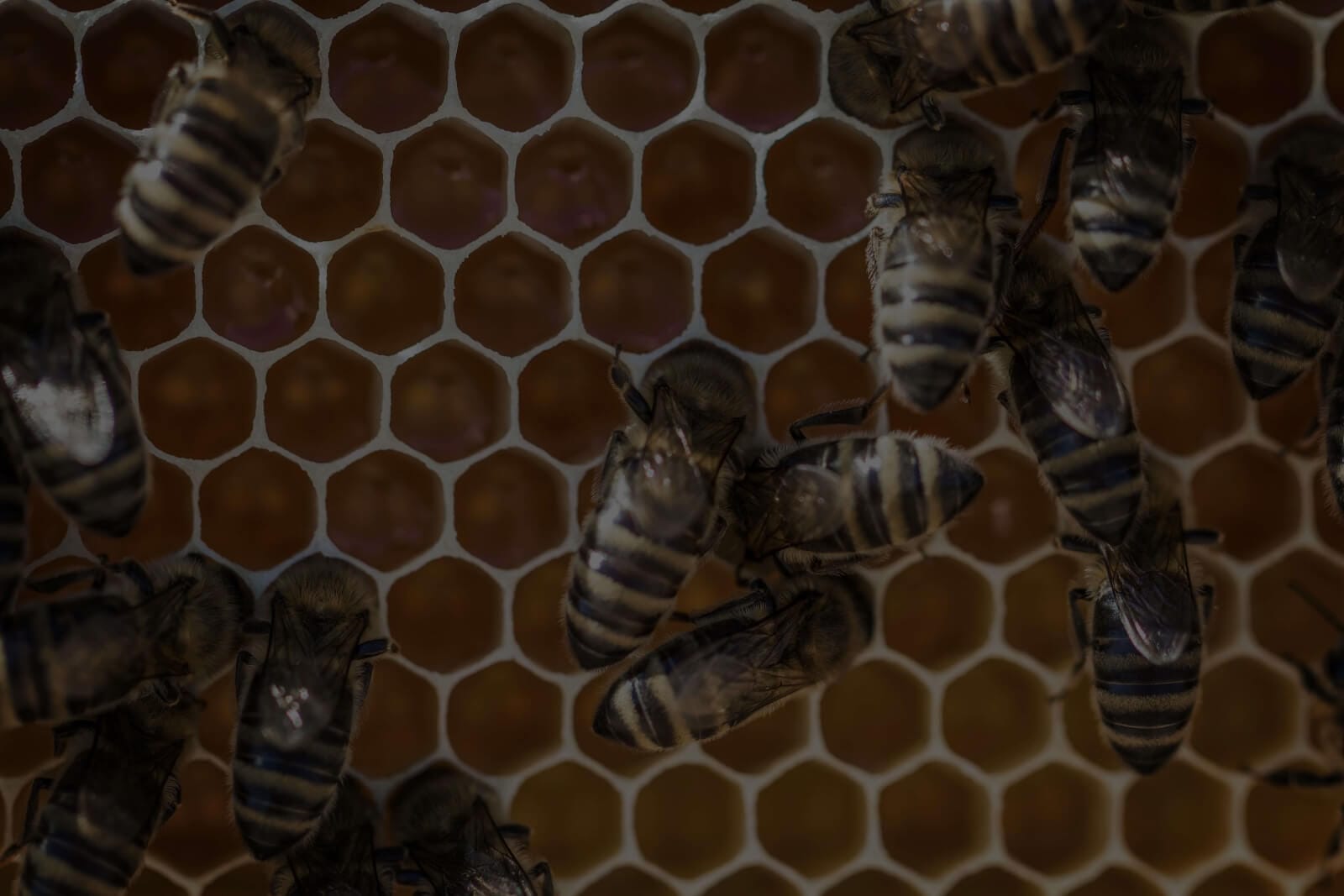
Bees collect pollen by flying from one flower to the next to collect nectar. Because bees have very hairy bodies, small particles stick to their legs and form small clumps. The worker bees carry some of the pollen onto other plants for pollination and some of it back to the hive for food. The pollen is used to make bee bread in the hive (the pollen is pressed into the honeycomb and covered with honey). One often wonders about the clever way beekeepers collect pollen clumps from the bees’ legs. No, not with tweezers! The beekeepers use a special grating at the hive entrance. By crawling through them, the bee “brushes” some of the pollen clumps into a special collection container, from where the beekeeper can easily collect them.
Preparing bee pollen - it's important not to "overcook"
Freshly collected bee pollen contains about 35 % of water, so the first step is drying. The temperature is set at +35 °C in a professional drying oven (it must not be higher, otherwise the valuable properties of the pollen will be irreversibly lost). The bee pollen is dried for about 3-4 days to prevent the formation of mould and toxins.
The bee pollen is then sieved through a fine sieve and subsequently through a coarse sieve to remove any impurities from the hive. The thoroughly cleaned pollen is sent to a cold store. It is kept at a temperature of -18 °C for three days. Freezing the bee pollen is the most important stage of processing, as it prevents various pests from hatching.
Buy pollen
Bee pollen
Didn't find the product you were looking for? Visit the shop
Fruit juice gummies “Bear Bros” in a jar
„Bear Bros“ Big Set of passion fruit, apple, raspberry and fruit juice gummies
How to use pollen correctly - instructions to help
First and foremost, it is important not to add bee pollen to hot dishes – do not ‘cook’ it, as this will cause you to lose the most valuable properties of this product. Mix bee pollen with water at a temperature of up to +40 °C, milk (to soften it), juice, or mix it with honey. It will be both very healthy and delicious.
Of course, pollen, just like bee bread, can be eaten on its own – simply chew it and swallow. However, bee pollen granules can be used to enrich yoghurt or quark, to garnish porridge, or to sprinkle over muesli. Children really love this! And for those looking for more convenient ways to consume natural bee products, honey gumdrops are becoming increasingly popular – they’re a hit with both children and adults alike.
How to dose bee pollen - it's all about moderation
It is recommended to take bee pollen for one or two months (with a one-week break), preferably in the morning. Beekeepers recommend taking bee pollen in winter and spring instead of the usual synthetic vitamins, as an additional source of natural, complete proteins, vitamins, trace elements and other biologically active substances to strengthen the body. Among other natural bee products, bee pitch (propolis) is particularly highly regarded for its antibacterial and antiseptic properties.
Bee pollen should be dosed according to age: adolescents and adults can consume about 20 grams (1 tablespoon) or more per day. The daily intake for children aged 3-5 years is 10 grams (2 teaspoons) of bee pollen and for children aged 6-12 years is 15 grams (3 teaspoons). However, it is not recommended to give natural bee products to children under 3 years of age.
Provided there are no allergic reactions, bee pollen can be consumed during pregnancy. It can serve as an additional source of many vitamins and minerals that help strengthen the immune system of expectant mothers.
How to store bee pollen?
Dried bee pollen should be stored in a tightly sealed food-grade container. Sealed glass jars are ideal for this purpose. The ideal storage temperature is 10–15 °C; it is important to avoid places where there are sudden changes in temperature. It should not be exposed to direct sunlight or moisture, so it is best to store bee pollen in a closed cupboard.
Can pollen expire?
Bee pollen, which is rich in nutrients, provides a good breeding ground for any microorganisms wishing to make use of this wealth. Unlike bee bread, for example, pollen has not undergone a fermentation process and may therefore go off.
Bee pollen should be consumed within a year of production, regardless of when the purchased packet was opened. It is therefore better to buy bee pollen in smaller quantities. And if you do buy a larger quantity, don’t forget to consume it every day.
Bee pollen: discover, try, enjoy, be healthy, energetic and happy!
