



Blog
Bee bread and pollen. How to use?


No one would dispute that bee pollen and bee bread are tiny balls brimming with wonders. They are packed with nature’s gifts: vitamins, minerals, enzymes and other active substances, the list of which would be a long one. However, a rich composition alone is not enough. To ensure the body absorbs these substances as effectively as possible, it is important to know how to consume bee bread and bee pollen correctly.
Although many people simply eat them with a teaspoon, the method of consumption, the amount and even the time of day are actually very important. Some people prefer fermented bee bread, whilst others opt for pollen; however, both products are at their best when consumed regularly and in moderation.
So, let’s briefly go over how to use bee pollen and bee bread.
Where do bee bread and bee pollen come from?
Pollen bees collect nectar by foraging in the fields. Pollen from each flower sticks to the bee’s hairy legs, on which it lands until small balls of pollen form. Beekeepers use special collectors at the entrance to the hive, through which the worker bees ‘brush’ the pollen as it passes and it falls into a special container. They are then dried at a temperature that matches that of the hive in order to prolong their shelf life.
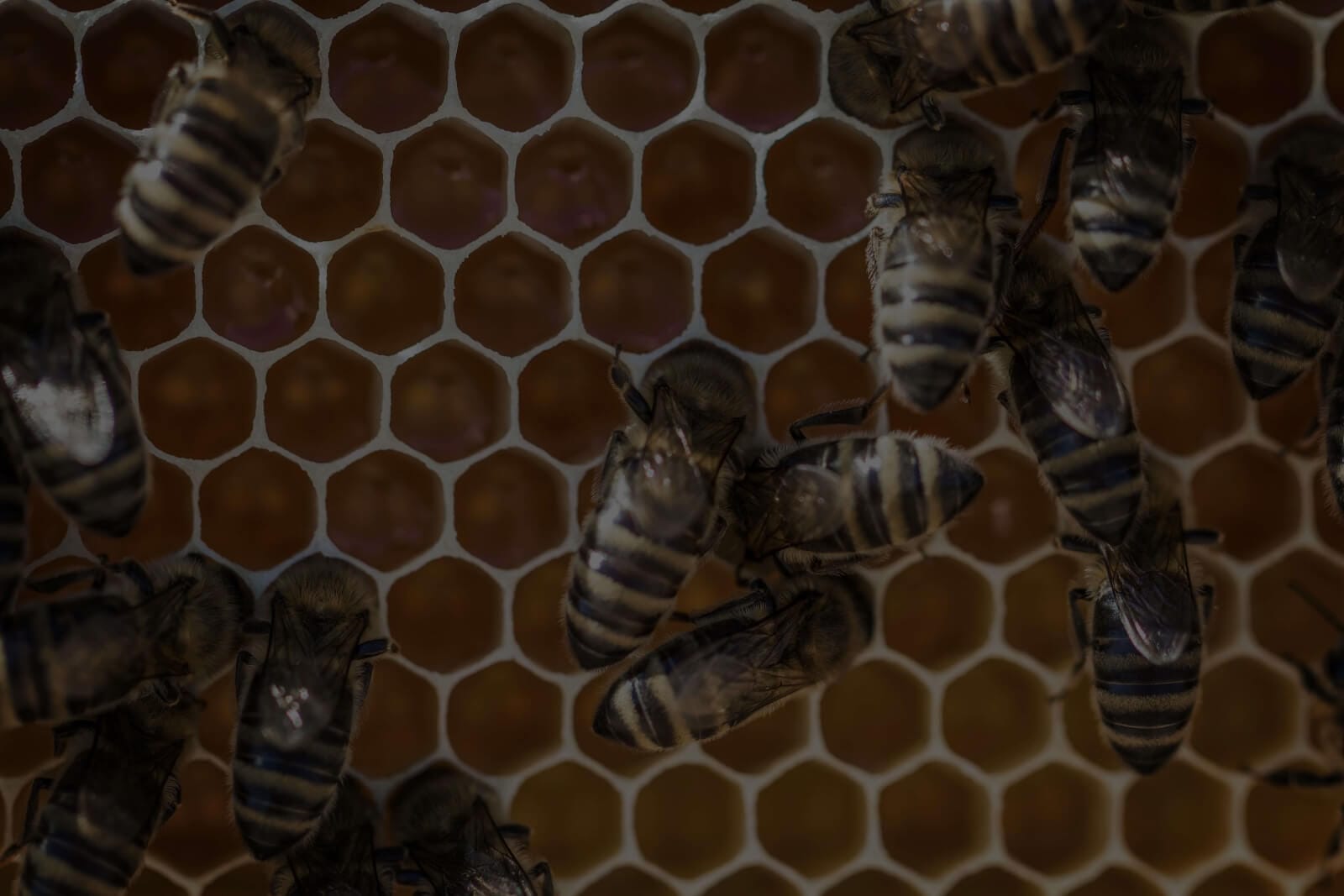
Bee bread – unused pollen, which bees store in honeycomb cells and pour over honey. Bee bread is therefore pollen fermented in honey. The fermentation process not only changes the properties of the pollen, making it easier to absorb, but also gives the bread a slightly sour taste – like real bread.
Best absorbed in liquid
Both breadfruit and bee pollen are best absorbed when they are dissolved in liquid. Therefore, as strange as it may sound, bee bread or pollen tea is the most recommended drink. If you do not feel like it, then we recommend chewing for a long time, sucking on these health bombs, as a large part of the absorption takes place in the mouth.
How to use bee pollen and breadfruit?
Bee bread can be eaten by both children and adults. The benefits and uses of bee bread are detailed in our article ‘Benefits, properties and uses of bee bread’. Pollen is not recommended for very young children, as it contains more allergens (similar to those that cause hay fever). Adults are advised to take one teaspoon of bee bread per day, as its benefits are best realised when consumed regularly and in moderation. Young children should be given as many pieces of bread as their age in years. To prevent the body from becoming accustomed to it, it is best to alternate between bread and pollen every three weeks or once a month.
The magic tea party
To make sure that viruses don’t scare you, they scare you, we recommend a time-tested immunity-boosting and whole-body tea every morning:
- Pour warm (not hot!) water over a teaspoon of bee bread or bee pollen and stir well;
- Add a teaspoon of honey and drink the whole cup, holding it gently in your mouth and tasting it;
- It is best to drink this tea in the morning before meals. Especially during the cold season.
You can find more tips on our blog on how to boost your immunity naturally. Among the natural bee products that help maintain good health, gumdrops and bee pitch (propolis) are often mentioned, as they are valued for their antibacterial and anti-inflammatory properties.
Don’t forget that, whilst bee bread and bee pollen are indeed miraculous, they are natural bee products whose benefits are based on long-term consumption. This is precisely why the benefits of bee bread and bee pollen are usually realised when they are consumed regularly and in moderation as part of your daily diet. So, if you want to boost your immune system ahead of the flu season or any particularly stressful events, start drinking this at least a month in advance. Stay healthy and keep smiling!