





Blog
Bees are the most welcome “tenants”


Bees in fields are not just another living element of nature. They contribute directly to the pollination of plants, more abundant harvests and the vitality of the entire environment. For this reason, beehives placed near flowering plants can become one of the most valuable seasonal ‘rentals’ for farmers, gardeners and market gardeners.
However, relocating bee colonies is not simply a matter of transporting hives from one place to another. It is necessary to take into account the flowering times of plants, distance, ventilation, transport conditions and the safety of the bees themselves. Even a minor mistake can cause the colony stress, overheating or disrupt its work.
In this article, you will learn why bee colonies in fields are beneficial to both farmers and beekeepers, how they are moved to a new location, and what is most important to bear in mind when preparing the hives for the journey.
Bees to the fields – harvest to the home 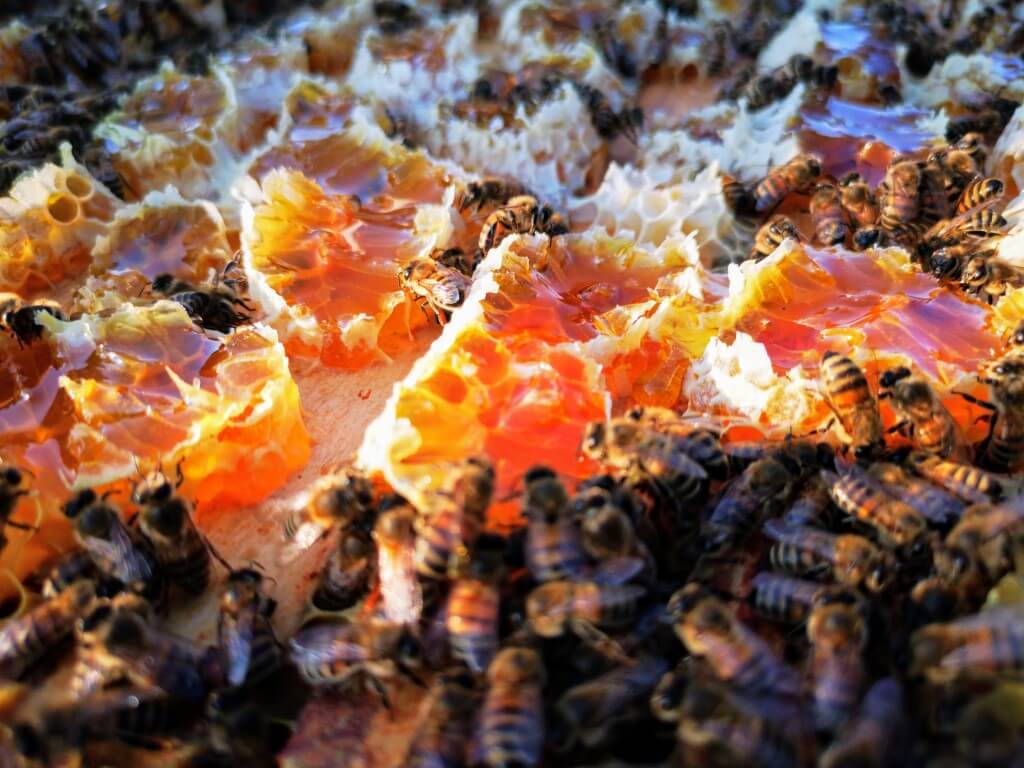
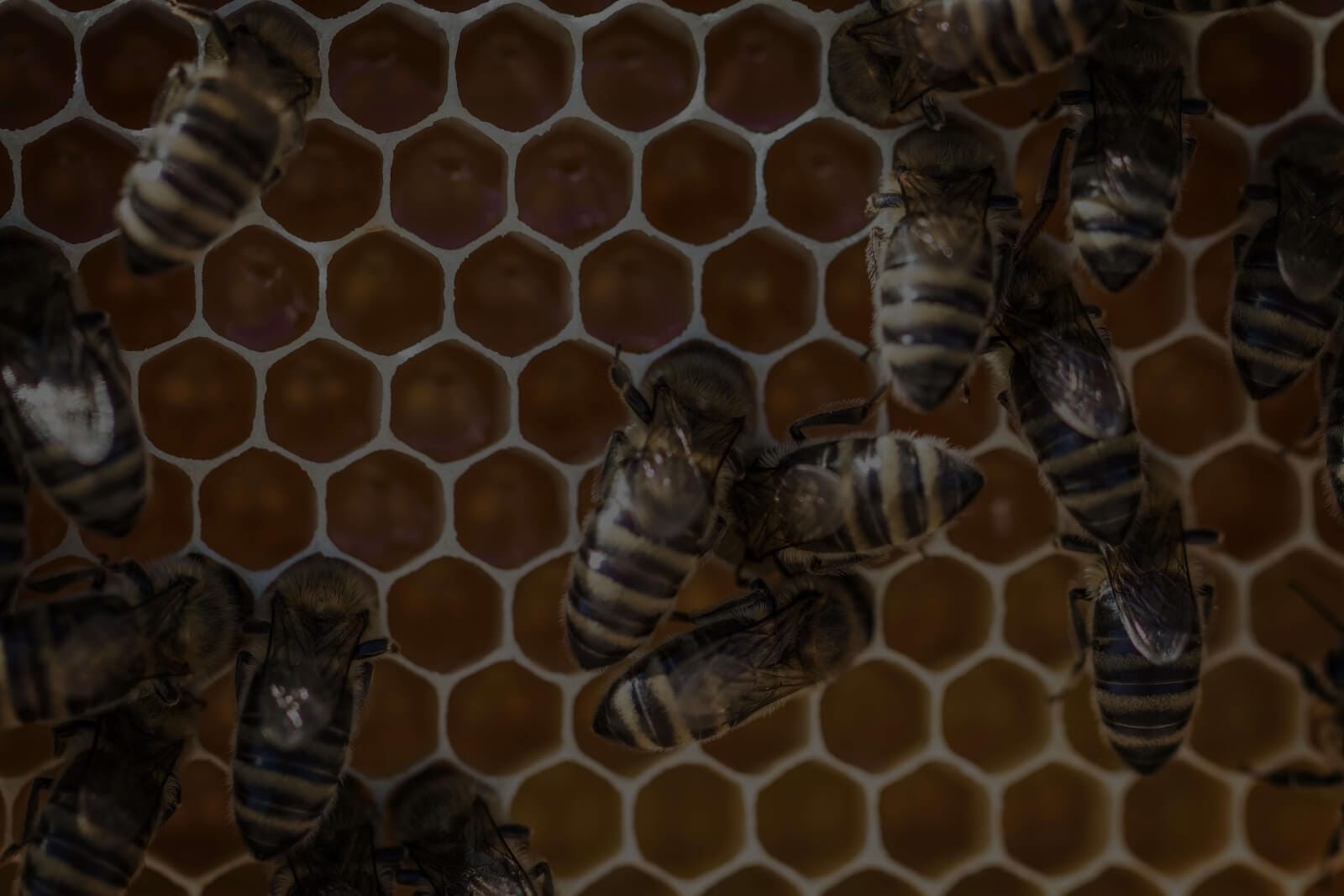
Bees are crucial to the ecosystem. Along with other insects, they are responsible for pollinating fruit trees, grasses, shrubs, flowers, vegetables and other plants. Bees are responsible for about 85 percent of all plants’ ability to bear fruit and reproduce. Not bad for such a little thing, right? And while most of us are chasing these insects as far away as possible, gardeners and other farmers are happy to invite the little helpers to visit their fields and gardens. A strong bee colony can increase yields by up to 30% – sounds a bit utopian. To attract bees to your fields, you can be inventive and shout “Honeyhoney”, try to steal honey from the bees’ nest and run towards your fields, or do something simpler – make a deal with local beekeepers to bring the bees’ home “quarter” to your fields for the duration of the plants’ bloom. This harmonious symbiosis between bees and humans is also of great benefit to the bees – what could be better than fields full of nectar as soon as they fly out the door?
Advantages of traveller bees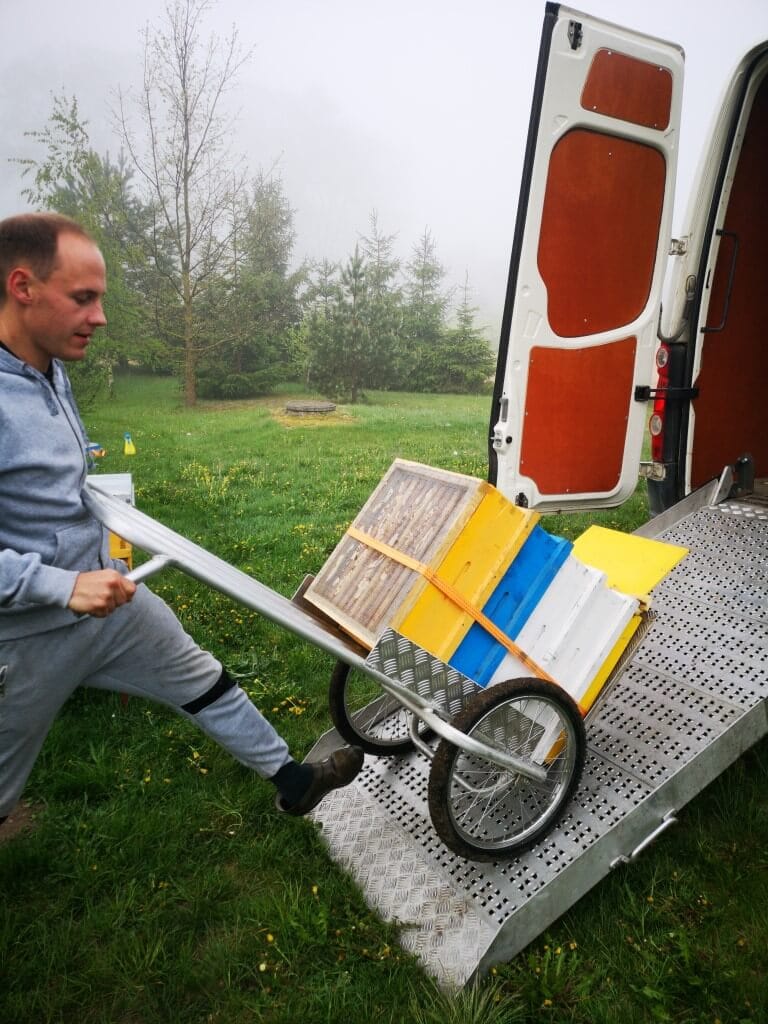
Spring and summer are a real busy season for bees. Beekeepers wishing to achieve a higher yield – that is, a steady flow of nectar – send their bees on ‘assignments’ to different fields every 2–3 weeks – roughly the length of time plants remain in bloom. Although you cannot tell bees which plant to land on, by moving the hives and placing them in different fields, it is possible to produce varietal honey. No matter how hard-working these honey-gatherers may be, they will first forage in the nearest fields, so if you place a hive near a buckwheat field, you’ll get buckwheat honey; if you place it on the edge of a woodland, you’ll get honey from woodland plants. Even if you do not manage to produce single-flower honey, at least the majority of the nectar will be collected from the predominant plants in the surrounding area, and their flavour and nutritional properties will dominate your honey. Whilst visiting flowers, bees also collect pollen, which is an important source of food for their colony.
Is it necessary to change the location of the hives in order to have honey? Absolutely not. Bees will bring nectar from fields several kilometres away. Enough to make tea. However, don’t you want to live closer to where you work? Bees are no exception. The closer you are to the honey fields, the more energy and time the bees can spend on nectar rather than travelling to fertile meadows. The best way to find honey fields is to consult with local farmers and agree on a temporary relocation of the tenants. In fact, bees “earn their keep” and only live up to six weeks in their lifetime, so why not spare them just one day of life?
Bee foraging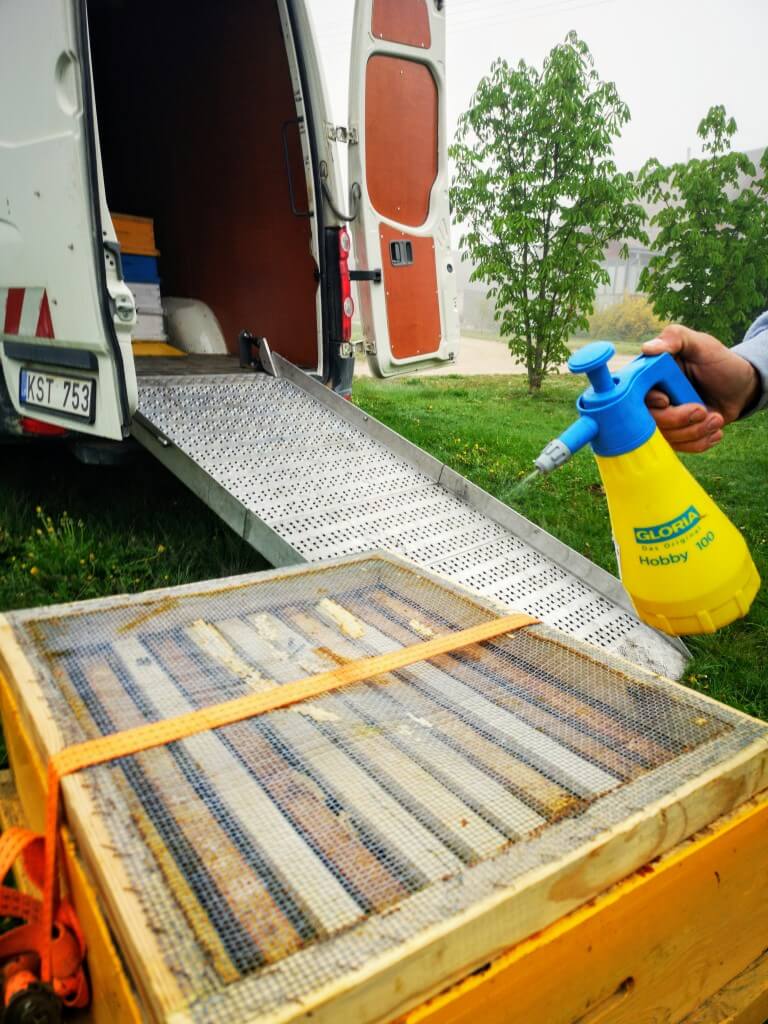
Bees love to move house. Especially when they take the whole hive with them. When moving bees to a new location, you really do want to be careful and respectful, as there are several tens of thousands of temperamental bees lurking in the hive, and nobody would want to upset them. What’s more, a careless move could cost the lives of some of the bees, or even the queen herself. So, before moving these hard-working bees for a week or two, you need to prepare thoroughly and meticulously. It’s best to do this the day before. Before moving the bees, we remove the old harvest and ensure they have space for new honey stores – we fit new, empty honey supers. As bees like to be comfortable, we install ‘air conditioning’ for them – we fit ventilation grilles to the top of the hive; for their safety and our own, we secure the hives with straps and wait for dawn. When inspecting the hive, you may also notice bee propolis, which the bees use to seal cracks and help keep the hive clean.
We move the bees before dawn, because we want all members of the colony to be in the hive. To prevent the worker bees from wandering around the car during the journey and getting to know their “movers” better, we seal the hives before we put them in the vehicle. We also complete the second stage of ‘conditioning’ by spraying the bees with water. The bees are used to being both the vehicle and the pilot, so your driving skills may be stressful for them. In addition, when the hive is so congested, the bees can quickly overheat, increasing the chances of wax melting and killing part of the colony. Breathing grilles and water spray will protect the bees as well as keep them hydrated – all the comforts of home. When properly prepared, we place the hives in the vehicle so that the frames of the hive are perpendicular to the axis of the vehicle, thus protecting the bees from being crushed, and finally, we press the gas pedal. Not all the way to the bottom. Gradually.
Bees are good trackers. To comfortably relocate them so that they do not look back, you will need to travel at least 4 km. Up to 25 colonies are recommended for the new location. When building hives, it is important to remember that bees, like all animals, live and work according to the laws of nature. The feng-shui experts at the bee house, the Bee Brothers, say that it is best to face the hive towards the east, so that the bees wake up with the first rays of the sun, which will not only improve their mood, but also their honey production. Finally, it is important to take care of anyone who might wander into the new bee area by putting an information sign with the contact details of the apiary at the entrance to the bees’ premises and informing the State Food and Veterinary Office of the location of the hives.
If, for just a moment, you pause to think about bees the next time you’re choosing the best ‘pet’ for yourself – we’ll be very happy. If, from now on, you respectfully escort a bee that has flown into your room back outside, recognising its difficult mission – we’ll be delighted. And if you already have a hive or two of these lovely creatures, we hope you’ll try out our advice and that your bees will wake up every morning in fields brimming with nectar, where they’ll patiently fly from one plant to the next, unaware of just how grateful we are to them for everything we see around us. May bees become the most welcome ‘tenants’ in every nook and cranny of the earth, and may they reward us with a bountiful harvest, delicious honey and other honey-based delicacies, including gumdrops, good health and peace in your heart.